Historic Pendleton, SC: Lifestyle, Architecture, And Housing Styles
July 9, 2026
July 9, 2026
Looking for a town with real character, not just a convenient address? In Pendleton, history is part of daily life, from the village green at the center of town to the mix of home styles that tell the story of how the community grew. If you are thinking about buying or selling in this part of Anderson County, it helps to understand what makes Pendleton distinct and how that shapes the housing market today. Let’s dive in.
Pendleton was founded in 1790, and its historic identity is still visible in the way the town is laid out today. The village green remains the focal point of the community, and more than 50 surviving 18th- and 19th-century buildings help define the historic district. That kind of continuity gives Pendleton a sense of place that is hard to recreate.
The town also openly acknowledges that African American labor and legacy were part of Pendleton’s development, including the building and maintenance of many grand homes in and around town. That broader history matters because it adds depth to the story behind the streets, homes, and public spaces you see today.
Visually, Pendleton has the look of an established upcountry town. According to the National Register description, dogwoods line many streets, while cedars and oaks shape the larger landscape. The result is a setting that feels shaded, rooted, and connected to its past.
The village green is not just a historic landmark. It is an active public space that still supports events and everyday town life. That makes Pendleton feel lived-in and connected, rather than preserved behind glass.
The town highlights the Village Green as a civic center and an economic asset, and local events reinforce that role throughout the year. Community traditions like the Fall Festival and Christkindlmarkt help keep the downtown area active, while preserved streets and gathering spaces strengthen the town’s identity.
Downtown Pendleton also offers the kind of daily convenience many buyers look for in a small-town setting. The town and local business association describe a walkable downtown with local businesses, dining, parks, and community events. Places like The Mercantile, The Pendleton Bookshop, Swampfox Distillery, the Inn at Magnolia Hill, and Pendleton Candy Company help define the local rhythm.
For recreation, Veterans Park adds useful everyday amenities. The park includes ball fields, a playground, a walking trail, and youth sports programming through the Pendleton Recreation Association. For buyers comparing lifestyle options near Clemson, that combination of historic setting and practical amenities can be a real draw.
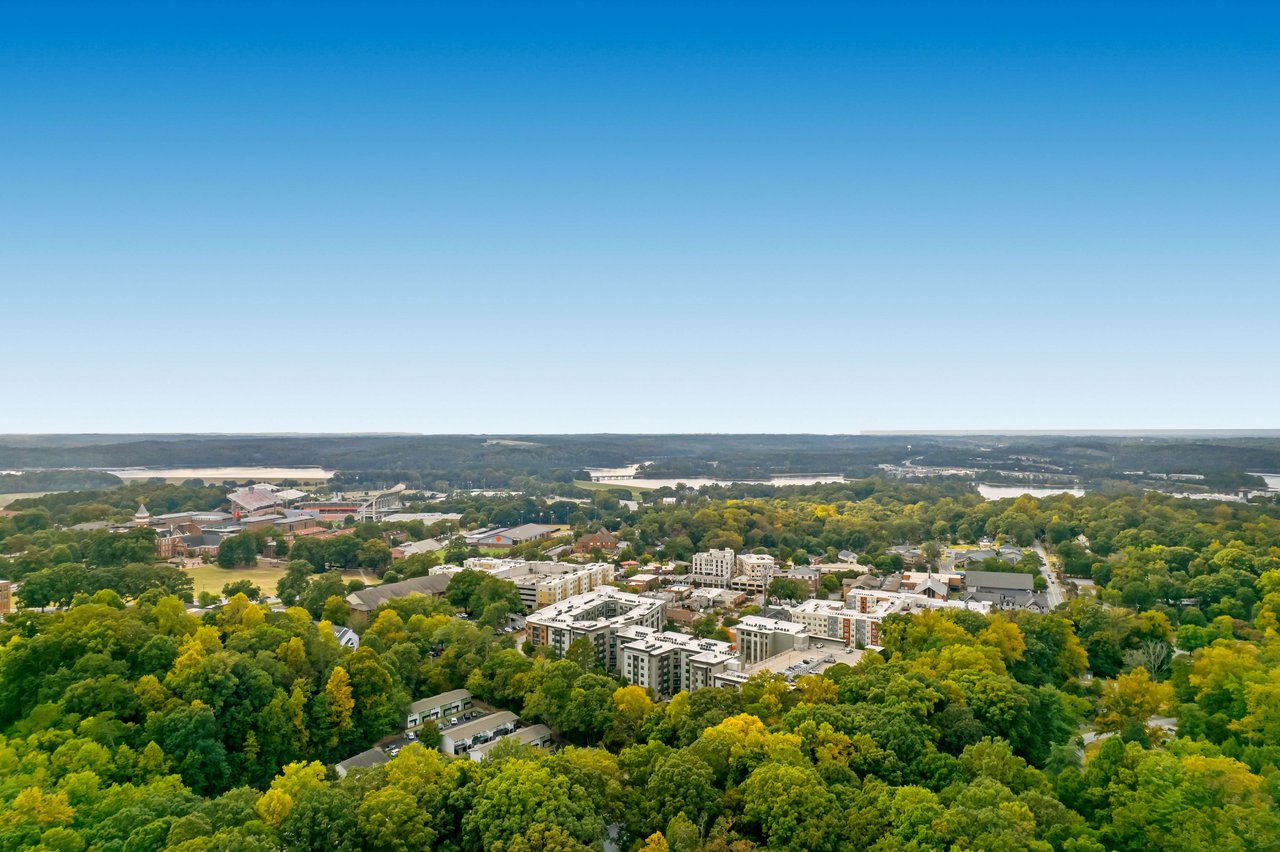
Pendleton offers a historic small-town environment, but it is also closely tied to the broader Clemson area. Clemson University notes that Pendleton is about five minutes from the heart of campus, which makes the town relevant for a range of buyers, including full-time residents, relocators, and buyers who want easy access to university activity.
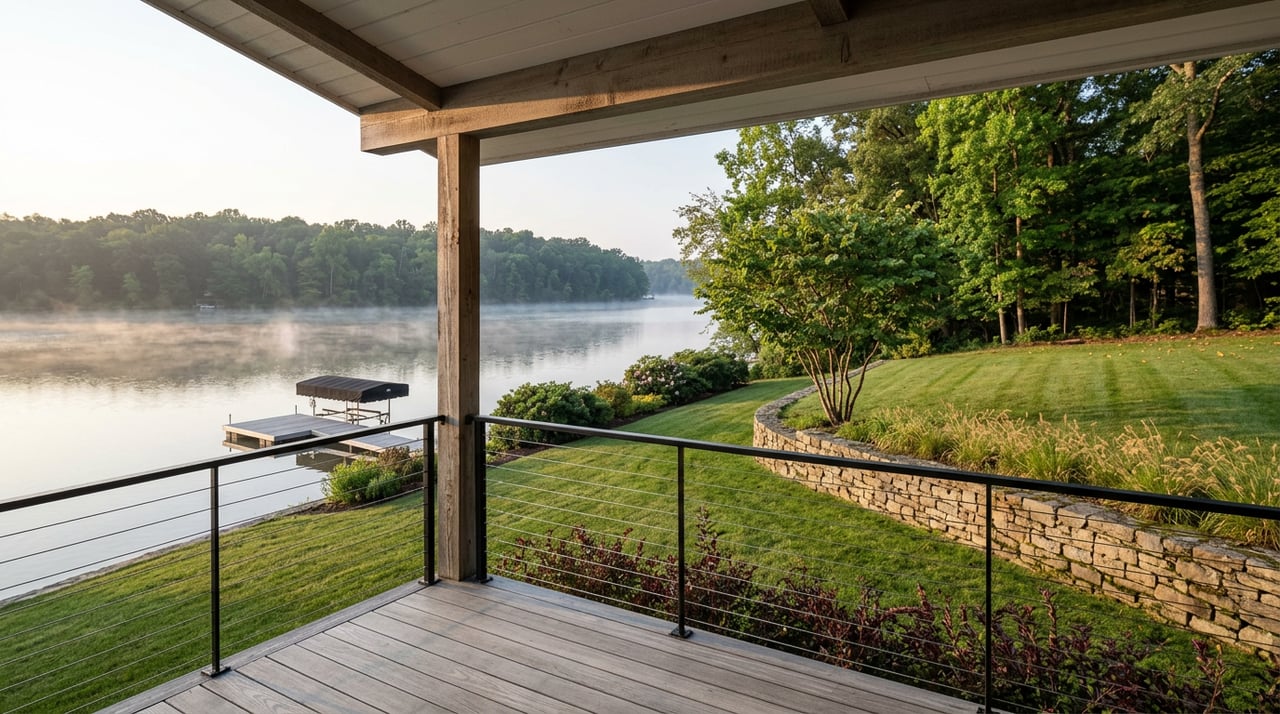
That location also places Pendleton within a market shaped by both town life and nearby outdoor appeal. Clemson’s community information notes that the campus edge rests on Lake Hartwell, which adds another lifestyle dimension to the area. For some buyers, Pendleton works because it offers a quieter historic setting while staying close to Clemson and the surrounding regional amenities.
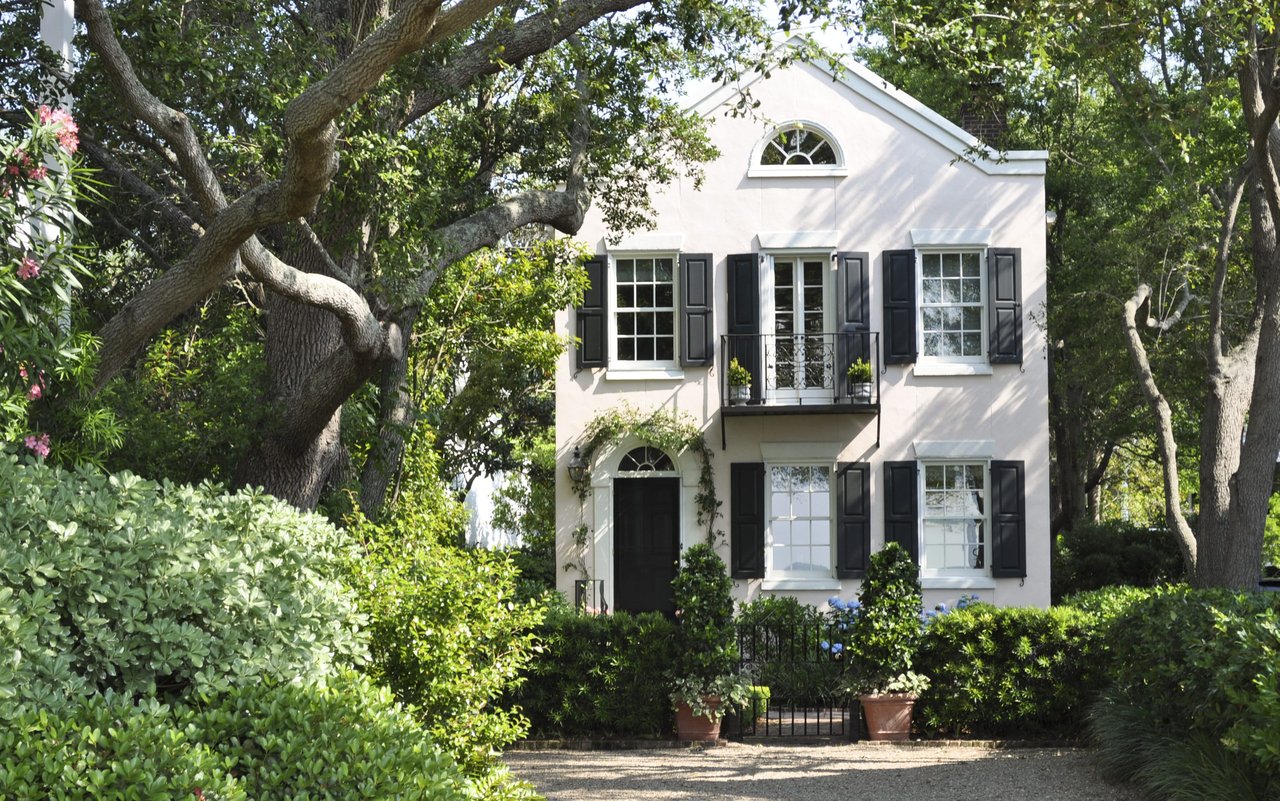
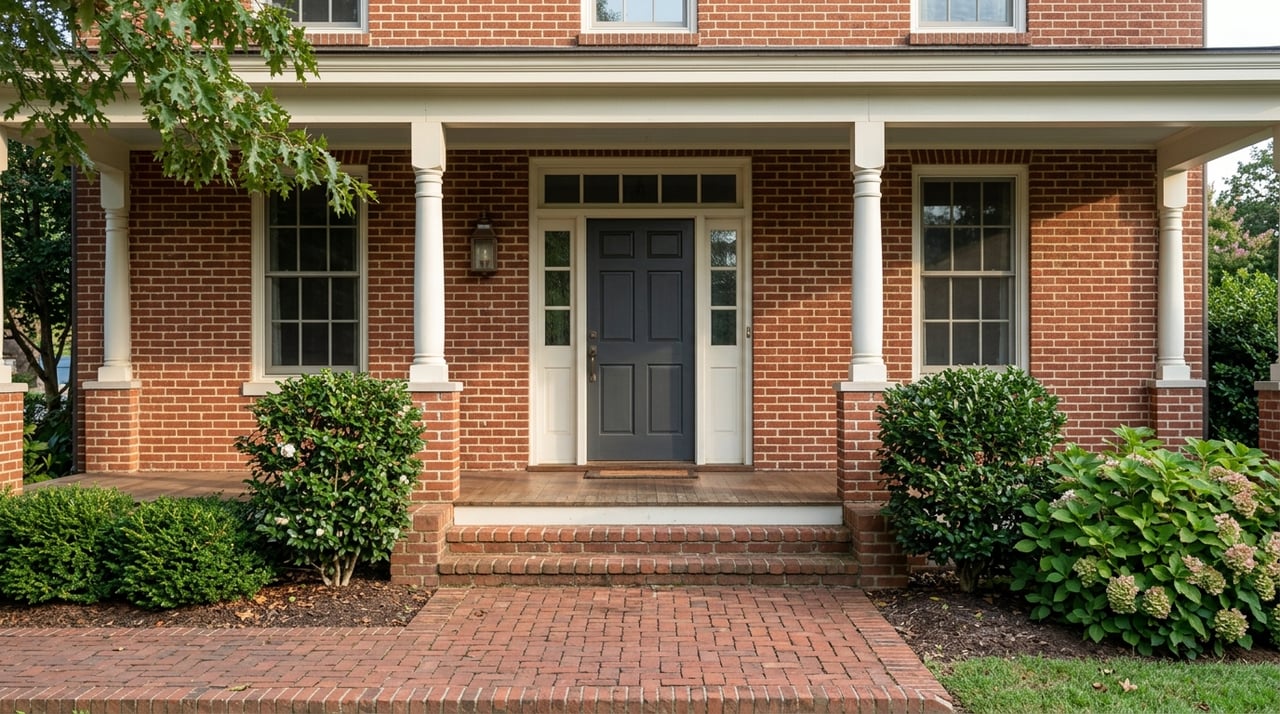
One of Pendleton’s biggest strengths is that it does not feel architecturally one-note. The historic district includes residential, religious, and commercial properties, with styles ranging from Greek Revival to Gothic Revival and housing types from I-Houses to Bungalows. That variety gives the town a layered streetscape instead of a uniform look.
Some of the earliest homes are more vernacular in character or reflect Federal and Greek Revival influences. Later buildings add Gothic Revival, Italianate, Romanesque, and Queen Anne-era details, while early-20th-century bungalows add another visual chapter. As you move through town, that mix is part of what creates Pendleton’s charm.
The historic record also points to several common home forms and materials. Early houses were often built with central-hall plans, while later homes could include one-story forms on raised basements. Charleston-style houses with large porches on two or three sides also appear in the district, and while wood-frame homes are common, stone and brick examples remain as well.
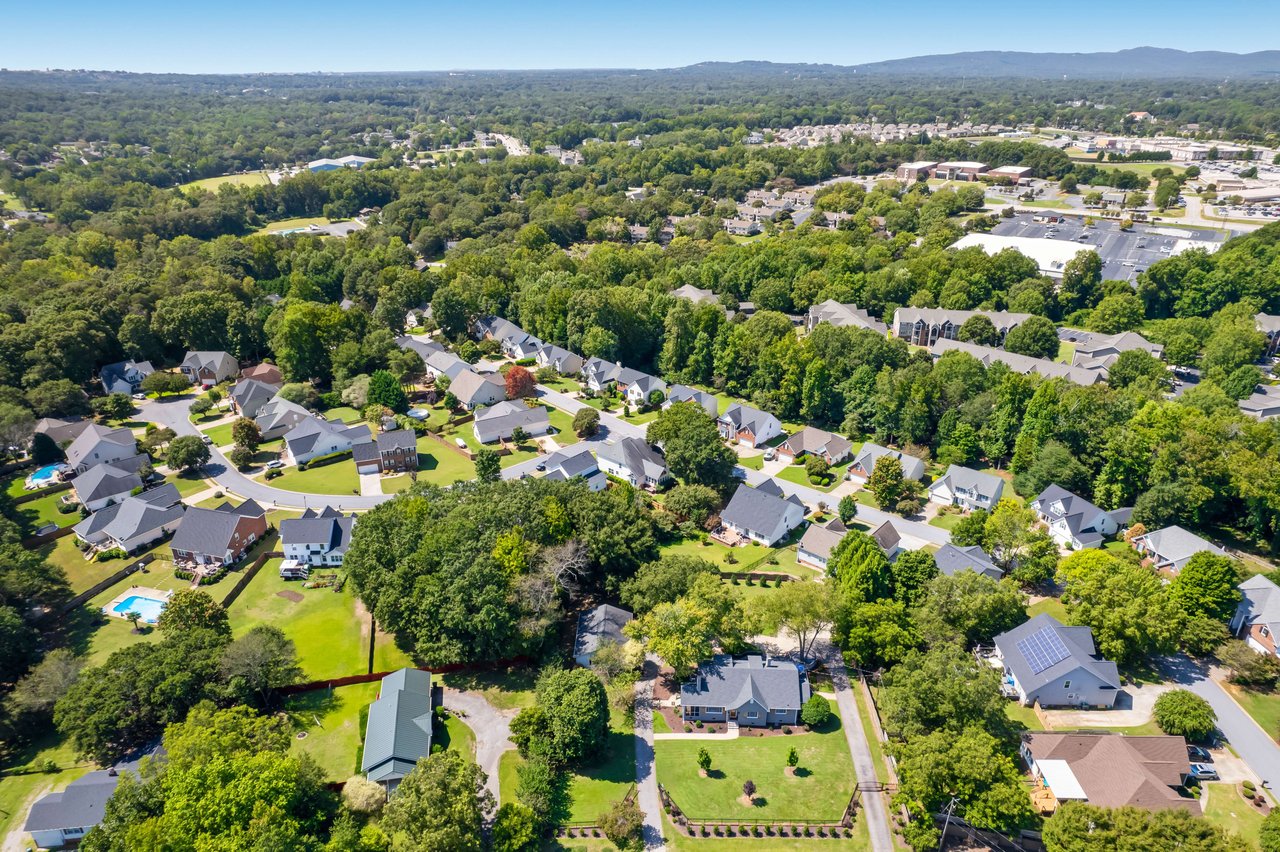
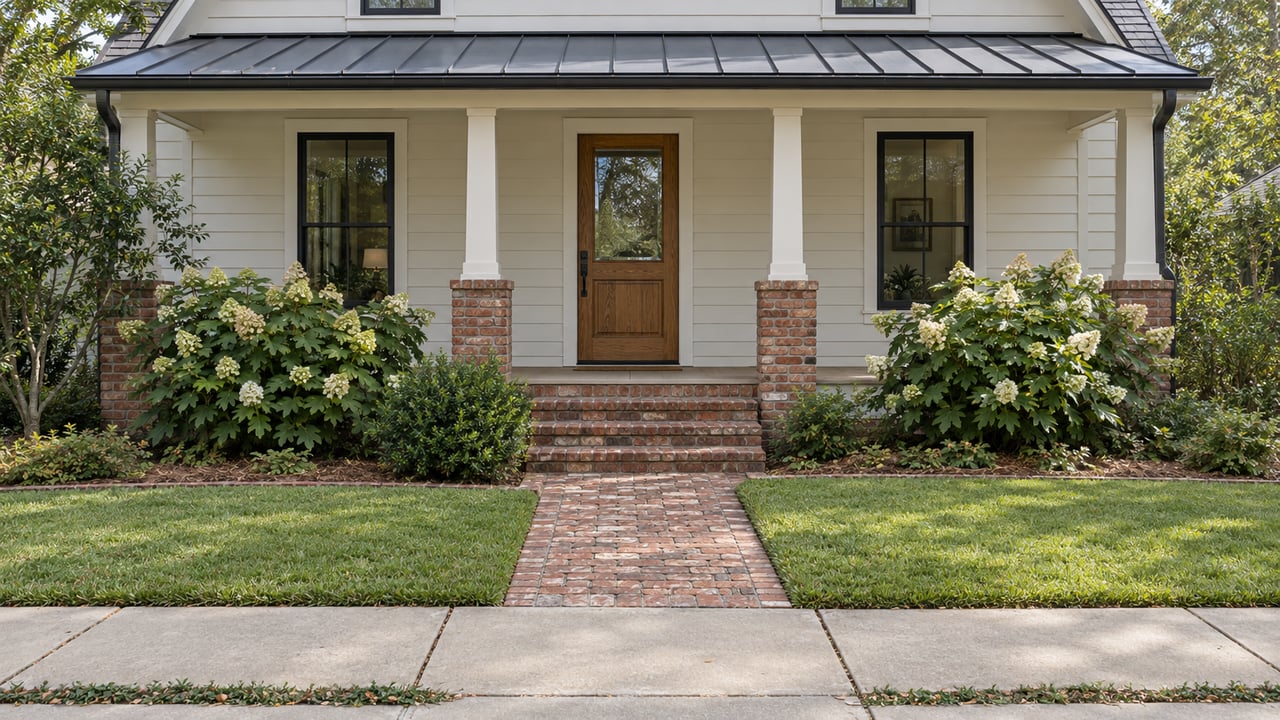
If you are shopping in Pendleton, it helps to know that home styles can vary significantly from one street to the next. In or near the historic core, buyers often notice older homes with mature landscaping, established setbacks, porches, and distinctive rooflines or exterior details. Those features are part of the appeal, especially if you want a property with visible character.
At the same time, Pendleton is not frozen in the past. The town’s development approach shows a clear effort to protect historic character while allowing thoughtful change. That balance can matter if you are comparing a historic property with a newer home or trying to understand how surrounding areas may evolve over time.
Around the square, the Town Square Overlay District is designed to protect Pendleton’s historic character. The town describes the square as a prime example of Southern cultural heritage, and the overlay district sets standards for maintenance, additions, and new construction so future work stays consistent with the existing setting.
Pendleton’s Design Review Board also plays a role in guiding how overlay districts evolve. The board’s purpose is to foster development that is high-quality, attractive, sustainable, and compatible with existing character. Importantly, the board says it does not require exact replication of historic forms, which means compatibility does not always mean copying the past detail for detail.
For buyers and sellers, that is useful context. It suggests the town values preservation, but it also allows room for carefully considered updates and additions. In practical terms, that can shape expectations around exterior changes, redevelopment, and the look of future construction near historic areas.
Pendleton’s story is not limited to its oldest streets. The town is also planning for newer housing, infill, and improved connections between neighborhoods. That broader growth pattern matters if you are looking beyond the historic district itself.
The Village Hills Small Area Plan outlines a mixed-use, walkable redevelopment strategy that blends residential, commercial, and recreational space. The plan includes a housing sequence that moves from multifamily to attached single-family to traditional single-family homes. It also emphasizes green spaces, pathways, and stronger links between existing and new development.
West Pendleton reflects a similar focus on reinvestment. The town’s neighborhood revitalization work includes sidewalks, curb and gutter, crosswalks, security cameras, and a one-way street conversion on Winston Street. Together, these projects show a town working to preserve its historic core while improving infrastructure and walkability in older and evolving areas.
If you are buying in Pendleton, your decision may come down to how you want to live day to day. Homes in or near the historic district often offer the strongest connection to the town’s identity, architecture, and walkable downtown environment. For buyers who care about charm, setting, and a sense of history, that can be especially appealing.
Other parts of Pendleton may offer a different mix of benefits. Newer infill or revitalizing areas can align with buyers who want better connectivity, updated infrastructure, or a more contemporary layout. Because Pendleton includes both preserved and evolving areas, it helps to compare not just the house itself, but also the surrounding context.
For buyers tied to Clemson, Pendleton can also offer flexibility in how a property is used. Depending on your goals, you may be weighing a full-time home, a parent purchase, a game-day retreat, or an investment-minded decision near the university market. In that kind of search, local guidance can help you sort through how location, home style, and long-term use fit together.
If you are selling a home in Pendleton, the town’s identity can be part of your property’s value story. Buyers are often drawn to features that reflect Pendleton’s established character, including proximity to the square, architectural details, mature trees, porches, and access to downtown amenities.
At the same time, sellers in newer or revitalizing areas also have a strong story to tell. Walkability improvements, infrastructure upgrades, and the town’s planning efforts can help buyers see how Pendleton is growing while staying connected to its roots. Positioning a home well means understanding which parts of Pendleton’s lifestyle and housing mix are most relevant to your property.
Pendleton stands out because it offers more than one version of small-town living. You can find historic architecture, active public spaces, walkable downtown energy, and signs of thoughtful future growth all in one market. If you want help making sense of where your home fits or where your next move should be, connect with Daniel Sanders & Co., Keller Williams Clemson.
Stay up to date on the latest real estate trends.

Cozy Reading Space and Library Design Tips for Homes in Clemson.

Designing a Media Room Built for Great Movie Nights in Clemson.

Here at Daniel Sanders & Co., Keller Williams Clemson we understand how important buying or selling a home is. It is not just a transaction, but a life changing event. That is why we strive to provide the most professional and personal touch to every transaction we handle.