Is Central, SC A Smart Spot For Your Clemson-Area Investment?
July 2, 2026
July 2, 2026
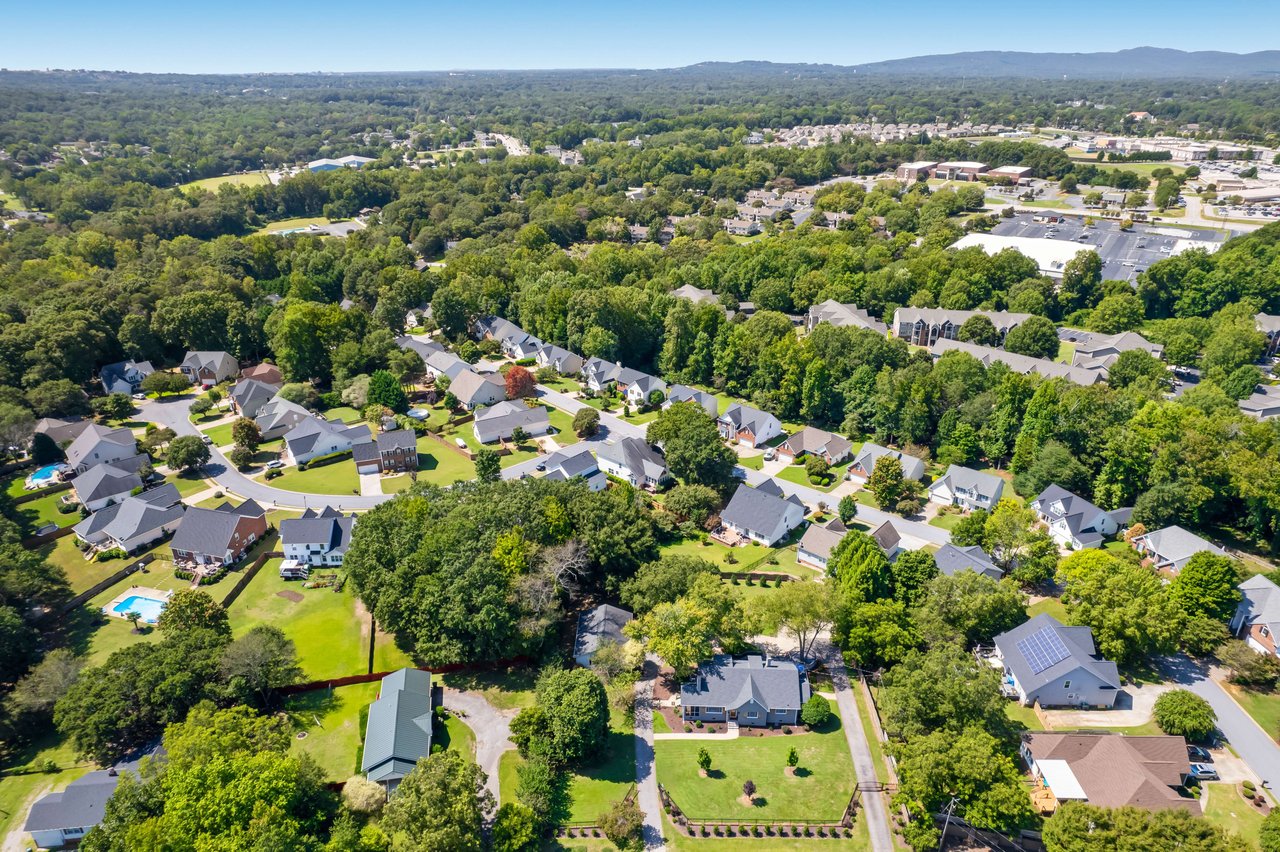
If you are looking for a Clemson-area investment, Central deserves a closer look. It is easy to focus only on Clemson itself, but many buyers want a nearby market that still connects to university demand without sitting in the middle of the campus core. If you are weighing rental potential, property type, and day-to-day management realities, Central gives you a lot to think about. Let’s dive in.
Central is a small town in Pickens County with an estimated 5,298 residents as of July 1, 2025, spread across 2.78 square miles of land area. Recent Census QuickFacts show a 26.4% owner-occupied housing unit rate, a median gross rent of $876, and a median value of owner-occupied housing units of $256,600. Those numbers suggest a meaningful renter presence in a market that sits close to Clemson.
That location matters. The Town of Central says the town is home to Southern Wesleyan University and is near Clemson University and Tri-County Technical College. Clemson University’s 2025 to 2026 Fact Guide lists 29,545 total students, including 1,070 Bridge to Clemson students.
Central is best understood as a student-adjacent market, not a pure campus district. Clemson’s official student count includes 24,060 undergraduates and 5,485 graduate students, and the Bridge to Clemson pathway sends some new students to Tri-County Technical College for their first year. That creates housing demand that can extend beyond Clemson city limits.
For you as an investor, that means Central may appeal to more than one renter profile. Demand may come from students, parents looking for a practical purchase, faculty and staff, and other households that want to stay within the Clemson orbit. That mix can make Central feel broader and more flexible than a property that depends only on one type of tenant.
One of Central’s strongest advantages is its position near multiple institutions. When a town sits near Southern Wesleyan University, Clemson University, and Tri-County Technical College, it can benefit from several overlapping sources of housing demand. That can be helpful if you want a buy-and-hold property with year-round relevance.
Another plus is that Central appears to offer moderate rent levels compared with what many buyers expect in a university-connected area. The median gross rent of $876 does not tell you what any specific property will earn, but it does give useful context for the local rental environment. Pair that with the town’s renter-heavy housing mix, and you can see why Central gets attention from buyers looking for Clemson-area investments.
If you are shopping for an investment here, you are likely looking at practical residential inventory rather than large apartment communities. The Town of Central zoning book permits one-family dwellings, two-family dwellings, duplexes, multi-family dwellings, fee-simple townhouse development, and mobile home parks in some districts. Based on those permitted uses, the most relevant inventory for many investors is likely to be single-family homes, duplexes, townhomes, and smaller multifamily properties.
That matters because your strategy should match the kind of property the market actually supports. A small-town Clemson spillover market often works best when you stay focused on housing types that are easier to lease, maintain, and understand. In Central, that likely means practical properties with straightforward layouts and enough parking.
In Central, parking is not a small detail. The zoning ordinance requires off-street parking, including two spaces per single-family, duplex, attached or detached fee-simple, and multi-family apartment or condominium unit. If you are comparing two otherwise similar properties, parking capacity could affect how workable the property is for your intended use.
This is especially important if you are thinking about a student-adjacent rental. Academic schedules, shared housing arrangements, and multiple occupants can make parking a real operational issue. Before you buy, it is smart to confirm that a property’s site layout aligns with local requirements and your leasing plan.
Central’s zoning framework gives investors useful clues, but you should not rely on assumptions. The town says its online zoning book is an unofficial copy for basic research. Before making a parcel-level decision, you should confirm zoning and permitted use with Town Hall.
This step is especially important if you are considering a property with a duplex, townhouse, multifamily, or alternative rental use in mind. A property that seems like a strong fit on paper may come with restrictions tied to district rules, parking, or other site-specific standards. Early verification can save you time and protect your budget.
For many buyers, Central looks strongest as a long-term hold or standard residential rental market. South Carolina’s Residential Landlord and Tenant Act applies to dwelling units in the state, and it lays out clear responsibilities for landlords and tenants. That gives you a more defined framework if you are planning a traditional lease strategy.
Under the act, landlords must disclose the owner or agent name and address at or before the start of the tenancy. Landlords also must keep the premises in a fit and habitable condition, comply with applicable building and housing codes, and maintain common areas in a reasonably safe condition. Those rules make professional, organized ownership especially important.
If you are underwriting a rental in Central, lease compliance should be part of your numbers from day one. The same South Carolina law says tenants must keep the unit clean and safe, dispose of waste properly, and avoid disturbing other tenants’ peaceful enjoyment. Clear lease terms and solid management practices can help protect your property over time.
Security deposits are another detail you should plan for. State law says deposit money must be returned, less allowable deductions, and any deduction must be itemized in writing within 30 days after termination of the tenancy and delivery of possession and demand by the tenant, whichever is later. That is a practical reminder that good recordkeeping matters.
Every investor should understand the local rules around missed rent. In South Carolina, a landlord may terminate a rental agreement for nonpayment if rent is unpaid when due and the tenant fails to pay within five days from the due date, provided the required written notice is given or the lease contains the proper conspicuous notice language. That does not remove risk, but it does show why lease setup and notice language matter.
For you, this means the paperwork side of ownership is not optional. A strong investment is not just about purchase price and rent. It is also about whether your lease, processes, and expectations line up with state law from the start.
If you are thinking about a nightly or weekend rental model, do not assume it works the same way as a standard lease. The state landlord-tenant act excludes transient occupancy in hotels, motels, and similar accommodations. The Town of Central zoning code also separately treats bed-and-breakfast inns and transient hotel-type uses.
In plain terms, a short-term rental strategy should be treated as a different question altogether. Before you count on that model, verify the parcel’s permitted use, tax treatment, and code requirements. In Central, the safer assumption is that you need to do more homework before pursuing a short-term approach.
A good Central investment is not just about finding a tenant. The Town of Central says its Planning and Inspection Department enforces building codes, zoning regulations, permit and inspection ordinances, and dwelling standards ordinances. Its code-compliance division also enforces town codes and ordinances tied to health, safety, and welfare.
The town also provides weekly sanitation to residents inside town limits. That means your ownership plan should account for maintenance, trash handling, parking compliance, and inspection readiness. In a student-adjacent market, smooth operations can matter just as much as your initial purchase decision.
For many buyers, the answer is yes, with the right strategy. Central can make sense if you want a Clemson-area property that benefits from nearby university demand but is better described as a small-town spillover market than a campus-core play. It may be especially appealing if you are targeting a long-term hold with practical residential use.
The best opportunities are likely properties with clear zoning, enough off-street parking, and a management plan built for turnover around academic cycles. If you go in with realistic expectations and verify the details early, Central can be a smart market to explore for Clemson-area investment property.
If you are thinking through Central versus Clemson, Pendleton, or another nearby market, local context matters. The right investment often comes down to how you plan to use the property, what kind of tenant you want to serve, and how well the home fits local rules. For tailored guidance on Clemson-area investment opportunities, connect with Daniel Sanders & Co., Keller Williams Clemson.
Stay up to date on the latest real estate trends.

Cozy Reading Space and Library Design Tips for Homes in Clemson.

Designing a Media Room Built for Great Movie Nights in Clemson.

Here at Daniel Sanders & Co., Keller Williams Clemson we understand how important buying or selling a home is. It is not just a transaction, but a life changing event. That is why we strive to provide the most professional and personal touch to every transaction we handle.