By Daniel Sanders
Selling your home in Clemson is an exciting chapter, and how you prepare your property before buyers walk through the door can make all the difference between a quick, competitive offer and a listing that lingers. Clemson is a market where buyers bring strong opinions and high expectations, whether they're relocating for work, drawn to the university community, or upgrading within the area. First impressions here carry real weight.
The good news is that getting your home tour-ready doesn't have to mean a full-scale renovation or an overwhelming to-do list. With the right preparation, even small updates and intentional staging choices can shift the way buyers experience your home. The goal is to help them envision their lives there, and that takes more than a quick clean and a few fresh flowers.
This guide will walk you through exactly what to do before your first showing, from deep cleaning and decluttering to curb appeal and final-day walkthrough routines. Whether your home is a classic Craftsman near campus or a newer build in one of Clemson's surrounding neighborhoods, these strategies will help you put your best foot forward.
Key Takeaways
- Deep cleaning and decluttering are the highest-impact, lowest-cost steps you can take before showings.
- Curb appeal sets buyer expectations before they ever step inside; even minor exterior updates can shift perception significantly.
- Thoughtful staging helps buyers connect emotionally with your home and visualize how each space functions.
- Small repairs and touch-ups signal that your home has been well-maintained, which builds buyer confidence.
- A consistent showing routine keeps your home photo-ready every time a buyer walks through.
Start With a Deep Clean
No staging trick or fresh coat of paint will compensate for a home that doesn't feel clean. Buyers notice everything during showings; a smudged mirror or a dusty baseboard can raise doubt in their minds, even when they can't articulate exactly why. A deep clean before your first showing is one of the most important investments of time and money you can make.
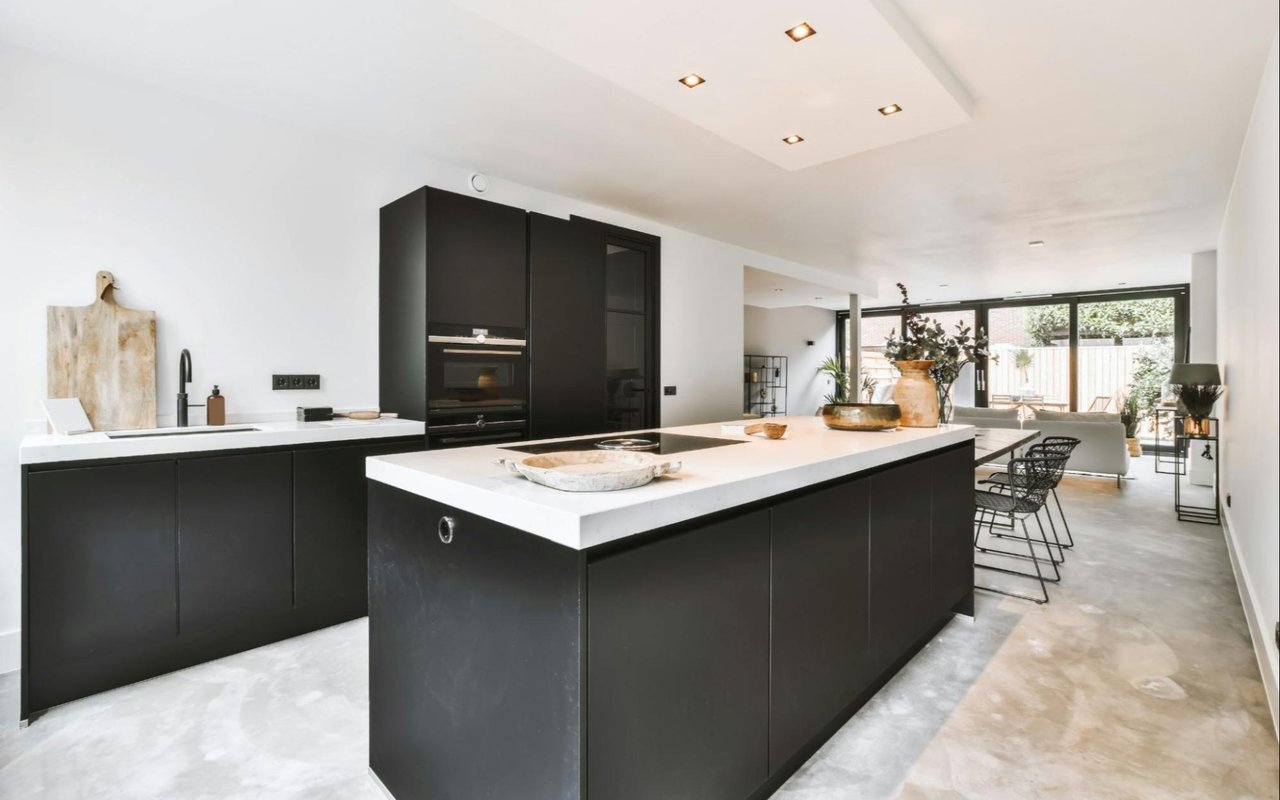
Focus on the areas buyers scrutinize most closely: kitchens and bathrooms. Grout lines, faucets, cabinet interiors, and appliances should all be spotless. In the kitchen, remove everything from the countertops except one or two intentional decorative pieces. In the bathrooms, replace worn towels with fresh ones, clear out personal products, and make sure that mirrors and fixtures shine.
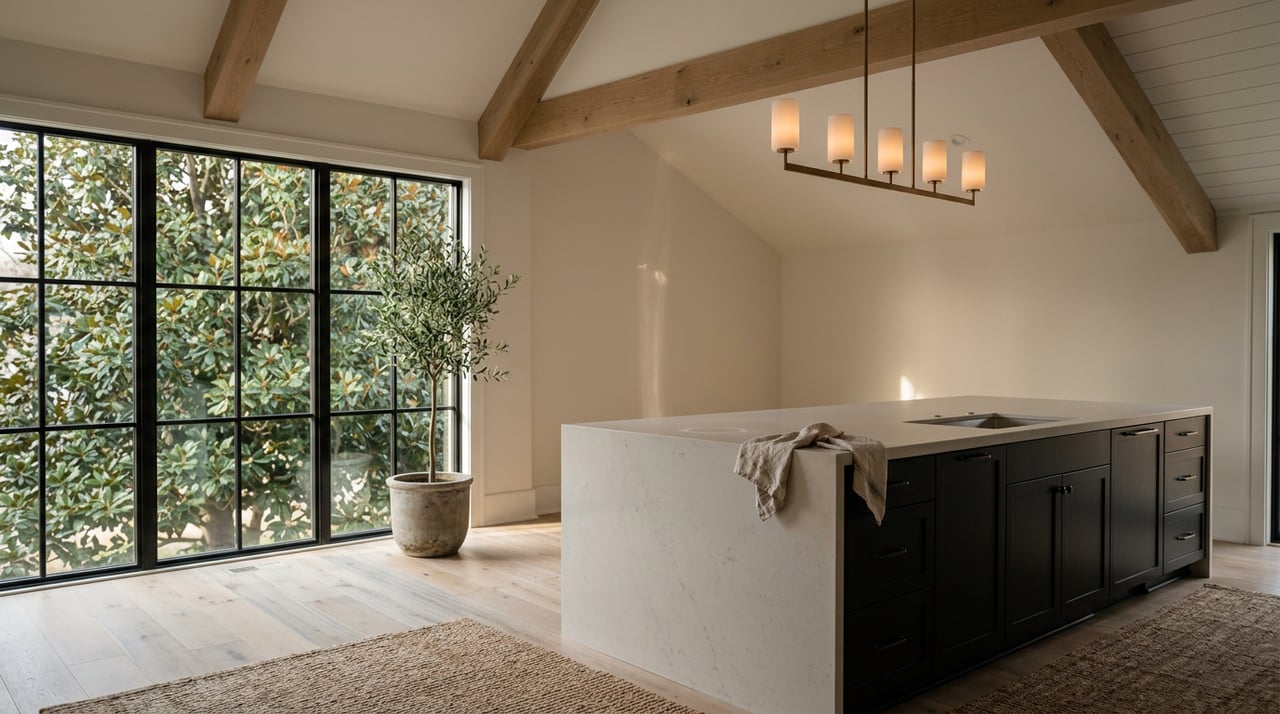
Beyond those key rooms, don't overlook windows, light fixtures, ceiling fans, and baseboards. Natural light is one of the best-selling features of any home, and dirty windows work against it. Once the deep clean is complete, build a quick daily routine to keep everything tidy between showings so that you're never caught scrambling at the last minute.
Areas to Prioritize
- Kitchen appliances, countertops, and cabinet fronts, which are among the first features buyers inspect up close.
- Bathroom fixtures, mirrors, and grout lines, which signal how well the home has been maintained.
- Windows and glass doors, which affect how light moves through the home during daytime showings.
- Floors throughout the home, including transitions between rooms and underneath furniture.
- Any areas with pet hair or signs of heavy use that might distract buyers from the home's strengths.
Declutter Every Room With Purpose
Clutter is one of the most common obstacles in a home showing, and it affects buyers more than most sellers realize. When rooms feel distracting or disorganized, buyers struggle to gauge the actual size of spaces and find it harder to imagine their own belongings there. Decluttering isn't about making your home look sterile; it's about creating enough breathing room for buyers to focus on the home itself.
Start with the obvious: anything that you don't actively use should be boxed up and moved to storage. This includes seasonal items, excess furniture, personal collections, and anything stacked in closets or garages. Clemson's real estate market includes buyers ranging from first-time homeowners to growing households, and they're all evaluating whether your storage will work for them. An overstuffed closet signals a shortage of space, even when there isn't one.
Pay particular attention to entryways and living areas, which set the tone for the entire showing. In bedrooms, aim for nightstands with minimal items and beds that are neatly made with coordinated linens. In living rooms, limit decorative accessories to a few intentional pieces. Less truly is more when it comes to showing a home effectively.
Rooms That Benefit Most From Decluttering
- Entryways and mudrooms, where shoes, bags, and coats often pile up and create an immediate impression of chaos.
- Primary closets, which buyers will open and evaluate as part of their storage assessment.
- Garages and utility spaces, which should be organized enough to show usability rather than overflow.
- Home offices or flex spaces, where clutter tends to accumulate.
- Kitchen countertops, which are most effective when they appear clean, spacious, and functional.
Address Repairs and Cosmetic Touch-Ups Before Listing
Buyers touring a home are subconsciously building a mental list of everything they'd need to fix or update after moving in. The longer that list grows, the more negotiating power they feel they have. Addressing visible repairs before showings takes items off that list and builds confidence that your home has been cared for over time.
Walk through every room with fresh eyes. Look for scuffed baseboards, chipped paint, loose cabinet hardware, running toilets, sticky doors, and any light bulbs that need replacing. These are often quick fixes, but their cumulative effect on a buyer's perception is significant.
In Clemson, where many homes experience high humidity and seasonal temperature changes, it's worth paying extra attention to caulking around windows, doors, and fixtures. Any signs of moisture intrusion or peeling paint should be addressed before buyers have a chance to flag them. Taking care of these items in advance positions you as a seller who has kept up with maintenance, which matters immensely during negotiations.
Common Touch-Ups That Make a Real Difference
- Fresh paint in high-traffic areas or rooms with scuffed or faded walls, using neutral tones that appeal broadly.
- Recaulking around sinks, tubs, showers, and windows where old caulk has discolored or pulled away.
- Replacing outdated or mismatched hardware on cabinets and doors throughout the home.
- Tightening loose fixtures, hinges, and handles that rattle or feel unstable when touched.
- Touching up trim and baseboards, which are often overlooked but noticed by detail-oriented buyers.
Boost Your Curb Appeal Before the First Showing
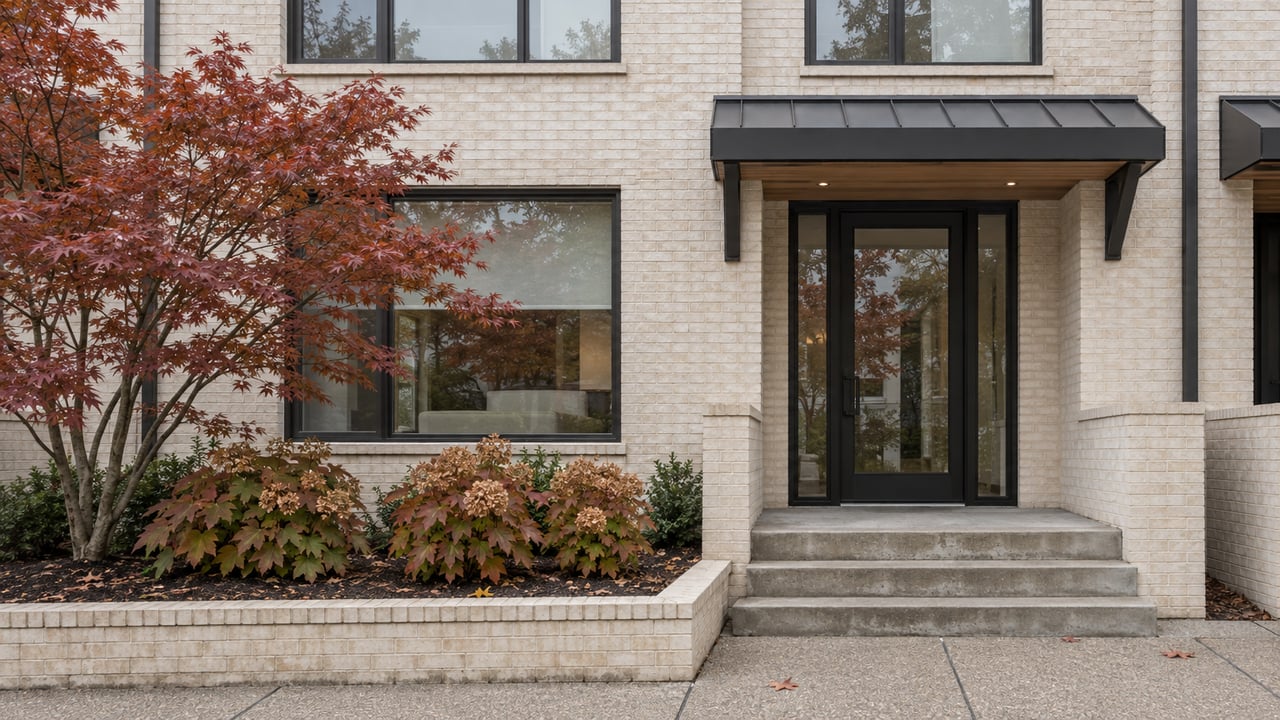
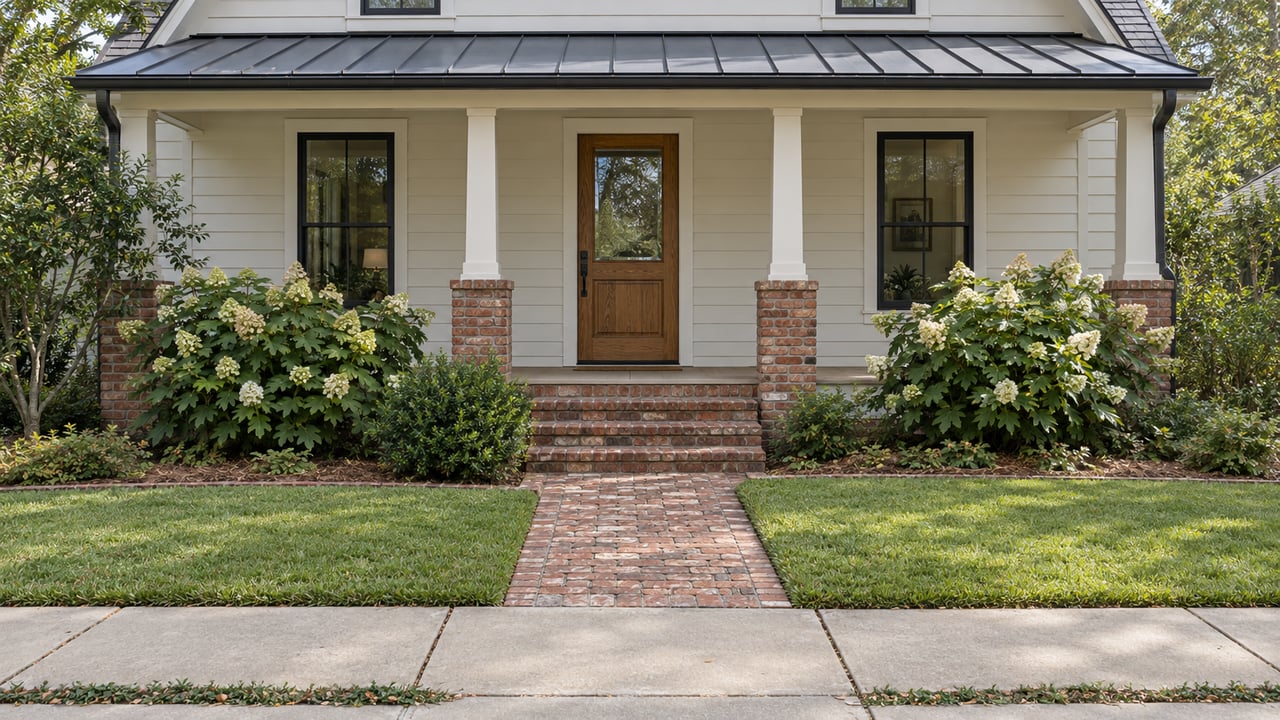
In Clemson's real estate market, buyers often drive by a listing before scheduling a showing. What they see from the street either confirms their interest or diminishes it. Curb appeal doesn't have to mean an expensive landscaping overhaul; even a few targeted improvements can dramatically change how your home reads from the outside.
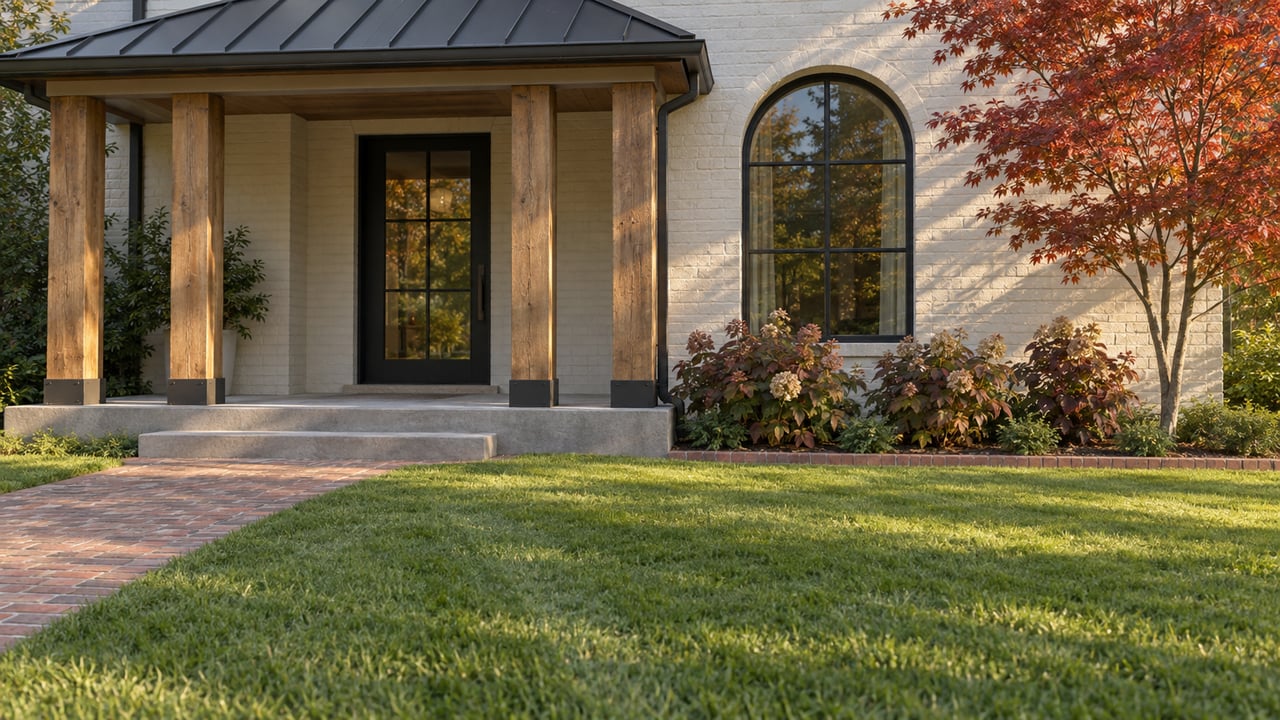
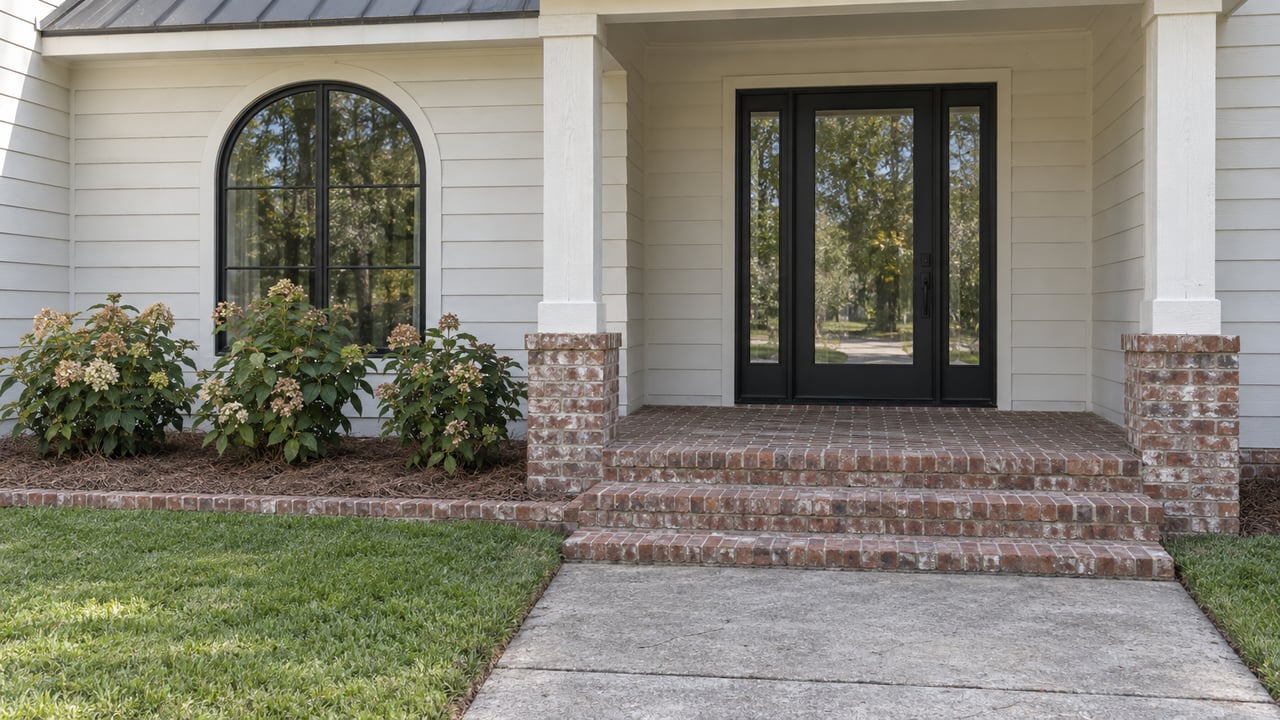
Start with the basics: a freshly mowed lawn, edged walkways, and beds that are mulched and free of weeds. Trim any overgrown shrubs and remove dead plants or branches. If your front door is faded or dated, a fresh coat of paint in a rich, complementary color can transform the entrance and give the home a more polished, well-kept appearance.
Don't forget the details that often get overlooked: clean gutters, a pressure-washed driveway, and address numbers that are visible and attractive. Buyers moving to Clemson from larger metro areas often compare properties quickly, and a home with exceptional curb appeal tends to create a favorable first impression that carries through the entire showing.
Exterior Improvements Worth Your Time
- Fresh mulch in garden beds, which adds color contrast and signals that the landscaping is maintained.
- A clean, inviting front entrance with a new doormat, potted plants, or updated light fixtures.
- Power washing the driveway, walkways, and exterior siding or brick to remove buildup and brighten surfaces.
- Trimming trees and shrubs that block windows or obstruct views of the home's architectural features.
- Touching up or repainting the front door, shutters, and any trim that has faded or chipped over time.
FAQs
How Far in Advance Should I Start Preparing My Home for Showings?
Ideally, begin preparing four to six weeks before your target listing date. This gives you time to deep clean, make repairs, declutter, and address any cosmetic updates without feeling rushed. Starting early also allows time for paint to dry, repairs to be completed professionally, and any furniture or staging adjustments to be made thoughtfully.
Do I Need to Leave My Home During Showings?
Yes, it's strongly recommended. Buyers feel more comfortable exploring a home and having candid conversations with their agent when the seller isn't present. Plan to take pets with you or arrange for them to be elsewhere during showings.
Should I Stage My Clemson Home or Sell It as Is?
Light staging is almost always worth the effort, even if you don't hire a professional stager. Rearranging the furniture to improve flow, removing personal photos, and adding a few neutral décor touches can significantly improve how buyers experience the home.
Your Next Showing Starts Here
Preparing your Clemson home for showings is about far more than tidying up. It's about presenting a property that feels move-in ready, well cared for, and appealing to the range of buyers active in this market. Every room you declutter, every repair you address, and every curb appeal improvement you make adds to the overall impression that buyers carry with them when they leave.
When you're ready to list, reach out to Daniel Sanders at
Daniel Sanders & Co. I will guide you through every step of the selling process, from showing preparation to closing day, with the local insight and hands-on support that Clemson sellers need.