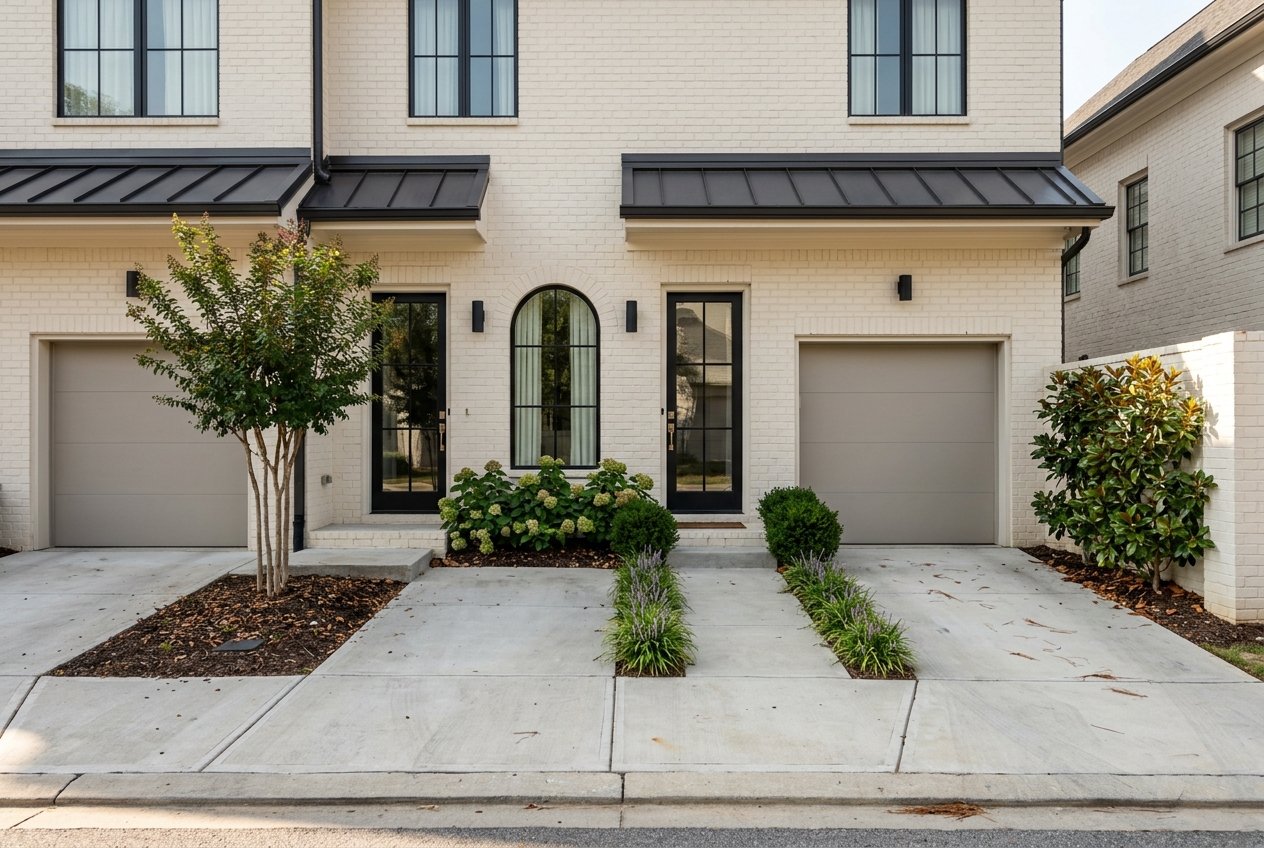
Buying Condos And Townhomes Near Clemson University
May 14, 2026
May 14, 2026
Wondering whether a condo or townhome near Clemson University is the right move for you? In Clemson, that decision is about more than price and square footage. You also need to think about HOA rules, parking, taxes, rental plans, and how football weekends can affect daily life. If you want a clearer picture of what to look for before you buy, this guide will walk you through the big factors that matter most in Clemson. Let’s dive in.
Clemson’s housing market has a built-in source of demand thanks to the university. Clemson University requires first-year undergraduates to live on campus, while graduate students often live close to campus in apartments and condominiums. The university also supports off-campus housing searches and move-in planning, which helps keep nearby attached housing relevant year after year.
That demand matters if you are buying as a parent, future owner-occupant, second-home buyer, or investor. It helps explain why condos and townhomes remain a popular option near campus, especially for buyers who want lower-maintenance living and a location that works well for daily routines or game days.
The attached-home market in Clemson is relatively small, but active. Current listing data referenced in the research report shows about 25 condos for sale in Clemson with a median list price of $249,000 and a typical market time of 50 days. Townhomes are even more limited, with about 12 for sale, a median list price of $422,000, and a typical market time of 37 days.
Available properties can vary quite a bit. Some condos are around 900 to 1,055 square feet with 2 bedrooms and 2 bathrooms, while some townhomes offer 4 bedrooms and 4 or more bathrooms. Features often highlighted in listings include open layouts, en-suite baths, built-in desks, and proximity to Memorial Stadium.
In South Carolina, a condo unit is individually owned, but you also own an undivided share of the common elements. That can include areas such as hallways, parking areas, green space, or shared amenities, depending on the development. The master deed should identify those common elements and your percentage interest.
This matters because common expenses are shared. You cannot avoid those costs by choosing not to use the amenities or by leaving the property vacant. The association also has rights to access units for maintenance and emergency repairs when allowed by the governing documents.
A townhome may look like a condo from the street, but the ownership structure and maintenance obligations can be very different. In Clemson, the key is not the exterior style. The key is what the declaration, covenants, and bylaws say.
Two townhome communities can have very different rules about roofs, exterior walls, landscaping, roads, and parking. One association may cover more exterior maintenance, while another may place more responsibility on the owner. That is why document review is so important before you commit.
If you are buying near Clemson University, do not assume the dues tell the whole story. South Carolina Consumer Affairs advises buyers to request the covenants and bylaws, the association budget, reserve information, recent meeting minutes, the insurance declaration page, and a written statement showing whether the property is in violation.
Those documents can tell you a lot about how the community operates. They can also reveal whether the association has a history of special assessments, rising dues, or deferred maintenance. That kind of information can change how affordable a property really feels after closing.
Before you buy, make sure you ask:
These questions are especially important if you are buying from out of town or planning to use the property in more than one way over time.
One of the biggest mistakes buyers make is relying too heavily on the seller’s current tax bill. In Pickens County, property taxes are shaped by market value, assessment ratio, and millage. Because reassessment and assessable transfers can change the taxable value after a sale, your future tax bill may look different from the seller’s.
For owner-occupied homes, the legal-residence assessment ratio is generally 4%. For non-owner-occupied residential property, the ratio is generally 6%. That difference can have a major impact on your carrying costs, especially if you are buying a second home, game-day property, or rental.
South Carolina also treats each condominium apartment as its own separate tax-book entity. That means your condo is taxed as an individual property rather than as part of one larger building. If you plan to occupy the home as your primary residence, you should file the legal-residence application after closing.
If you plan to rent the property or use it as a second home, confirm the classification early. This is one of the most important steps when you are comparing true monthly ownership costs.
Many buyers near Clemson University are thinking beyond personal use. You may be considering housing for a student, a future rental, or a place that serves as both a personal retreat and an income-producing property. If so, city rules and HOA rules both matter.
Inside the City of Clemson, rental housing rules apply to rental houses, duplexes, and townhouses. The city requires annual inspection and a permit for those rental properties. For short-term rentals, the city also requires annual registration and has additional rules related to guest logs, visible signage, parking, noise, occupancy, and safety standards.
For many non-owner-occupied short-term rentals in most zones, the city limits occupancy to two unrelated occupants. Some properties also require a person in charge who is located within 75 miles. If you are hoping to offset ownership costs with short stays or game-day rentals, these details should be part of your decision before you go under contract.
The practical takeaway is simple. A property that seems ideal for rental use on paper may not fit your plan once you review the city ordinances and the HOA restrictions together.
It is easy to focus on distance to Memorial Stadium, but game-day convenience in Clemson is really about access and parking. Clemson University notes that football parking regulations override other parking rules on game-day Saturdays. Around 15,000 campus spaces are reserved for IPTAY donors each year, and reserved lots are cleared starting at 12:01 a.m. on game days.
Campus buses also do not run on weekends during games except for limited ADA and special routes. The City of Clemson adds another layer, noting that downtown decks are free only when there is no home football game or other special event. Overnight parking in downtown decks or on streets is prohibited.
If game-day use matters to you, focus on practical questions such as:
A truly game-day-friendly property is not just close to the stadium. It also needs reliable parking and rules that support how you plan to use it.
Buying attached housing near Clemson University can be a great fit, but the best purchases usually come from strong upfront homework. Before you move forward, review the financials, legal documents, and use restrictions with care.
Use this checklist as a starting point:
Clemson is not a one-size-fits-all market. A condo for a graduate student, a townhome for a parent purchase, and a game-day retreat for an alumni buyer may all look appealing for different reasons, but the right fit depends on the details. Rules, taxes, parking, and intended use can shift the value of a property very quickly.
That is where hyperlocal guidance makes a difference. When you understand how Clemson’s university rhythms, city rules, and attached-home documents work together, you are in a much better position to buy with confidence.
If you are weighing condos or townhomes near campus and want practical, local insight, Daniel Sanders & Co., Keller Williams Clemson can help you sort through the options and find the right fit for how you plan to live, use, or hold the property.
Stay up to date on the latest real estate trends.

Cozy Reading Space and Library Design Tips for Homes in Clemson.

Designing a Media Room Built for Great Movie Nights in Clemson.

Here at Daniel Sanders & Co., Keller Williams Clemson we understand how important buying or selling a home is. It is not just a transaction, but a life changing event. That is why we strive to provide the most professional and personal touch to every transaction we handle.