By Daniel Sanders
Buying a home is one of the most influential decisions you'll ever make, and in a real estate market like Clemson, SC, where university energy meets small-town character and long-term community investment, you want to be certain before you sign anything. The excitement of touring a home can sometimes move faster than your due diligence, and the questions you forget to ask during a showing are often the ones that matter most once you're holding the keys.
After all, the process of evaluating a property before making an offer requires both sharp observation and honest self-reflection.
Key Takeaways
- Asking the right questions during a tour can reveal hidden costs and issues that photos and listing descriptions never show.
- Understanding a property's history, including prior repairs and seller disclosures, gives you leverage and protects your investment.
- Evaluating how a home fits your actual lifestyle and priorities matters as much as evaluating the property itself.
- Going in prepared with a clear checklist keeps your emotion from outpacing your judgment.
What To Ask and Observe During the Tour
A home tour is your opportunity to gather real information, not just impressions. It is easy to get swept up in the aesthetics of a freshly staged living room or a renovated kitchen, but the most important details are often the ones that require you to look closer and ask directly.
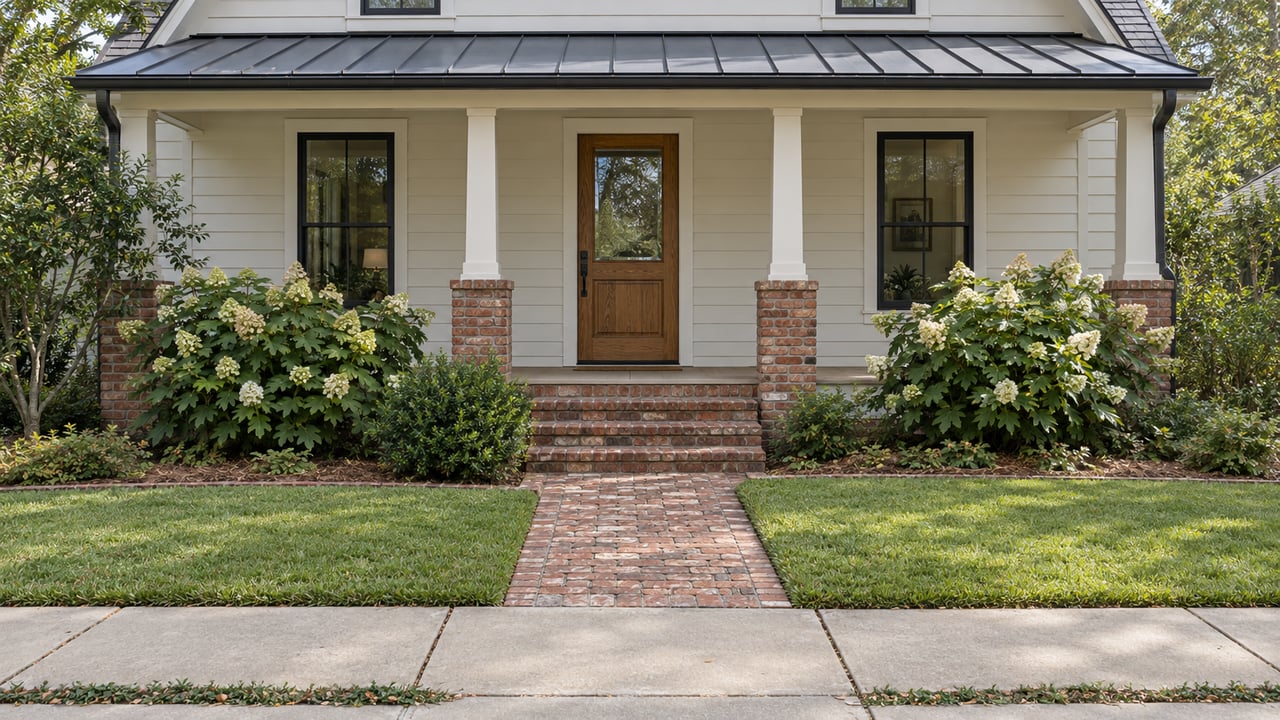
Start with the structure. Walk the perimeter of the home and pay attention to the foundation, the roofline, and the grading of the yard. Ask how old the roof is and whether there are any records of repairs or replacements. In the Upstate South Carolina climate, where heat and humidity are consistent seasonal factors, roofs take on wear at a predictable pace, and knowing where the current roof stands in its lifecycle matters for your budget planning.
Inside, look beyond the surface finishes. Check the ceilings for water stains, look under the sinks for signs of moisture or slow leaks, and pay attention to whether the windows and doors open and close smoothly. Sticking doors and cracked drywall above doorframes can indicate settling or movement in the foundation. These are not always dealbreakers, but they are things you need to know about.
Questions To Ask During Every Tour
- How old are the major systems, including the HVAC, water heater, and electrical panel?
- Has the home ever had moisture, flooding, or water intrusion issues?
- Are there any known structural concerns or prior foundation work?
- What updates or renovations have been made, and were they completed with permits?
- How has the home been well-maintained, and are there records of service or repairs?
What To Ask the Listing Agent
Once you've done your walkthrough, the conversation with the seller's side should go deeper. The questions you ask can reveal context that a disclosure form alone doesn't capture.
Ask specifically about the age and condition of the HVAC system, since heating and cooling are significant ongoing costs in this region. Find out whether the home has had any pest or termite activity and whether there are active treatment agreements in place. Ask about utility costs across different seasons to get a realistic sense of what you'll spend month to month.
It's worth asking about any homeowners association rules, fees, or upcoming assessments if the property is part of an HOA. Also, ask whether there are any current or anticipated special assessments, easements, or encroachments on the property.
Questions To Direct to the Listing Side
- What is included in the sale, and what will the sellers be taking with them?
- Why are the sellers moving, and how motivated are they to close on a timeline?
- Has the home had any insurance claims filed in recent years?
How To Evaluate Whether the Property Fits Your Needs
This is where the process becomes personal. A home can pass every technical inspection and still be the wrong choice if it doesn't match the way you actually live. Before you write an offer, take time to work through a set of honest questions about fit.
Think about your daily routine and what it requires. If you work on campus or in downtown Clemson, commute time may matter more than square footage. If you work remotely or from home, you'll want to think carefully about whether the layout gives you a dedicated workspace for your office and whether the internet infrastructure supports your needs. Ask what providers serve the address and what speeds are available.
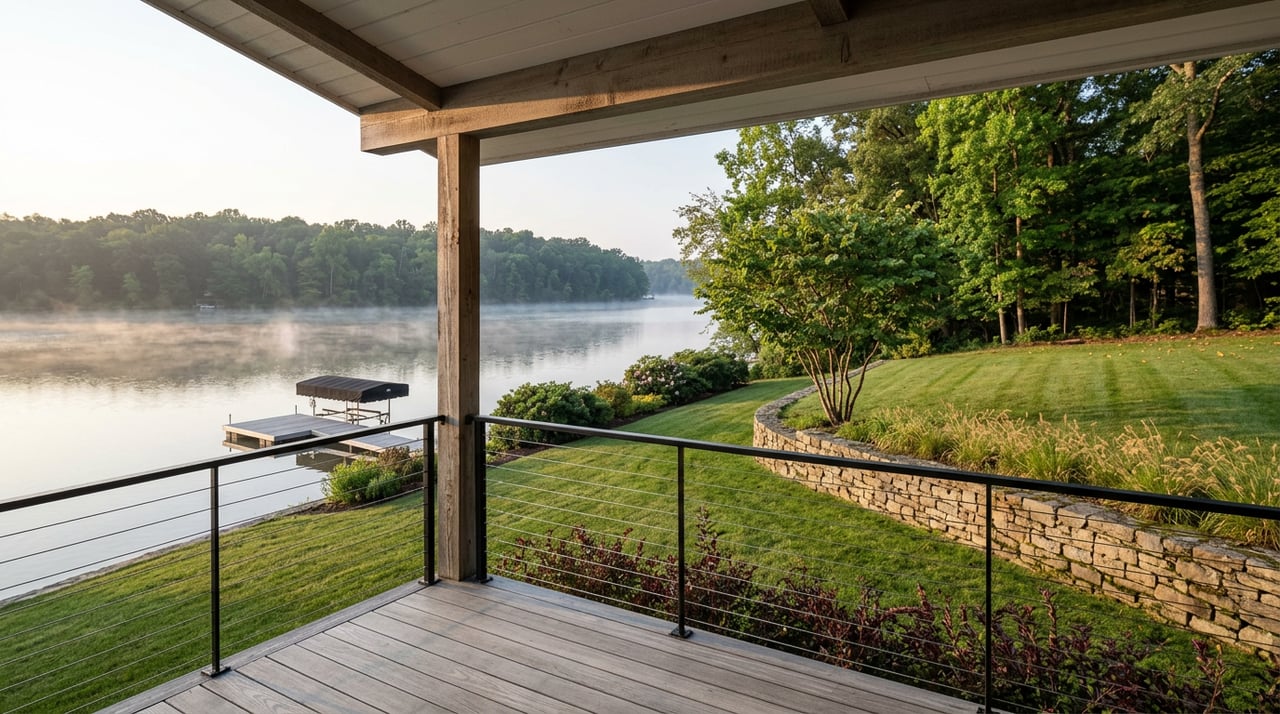
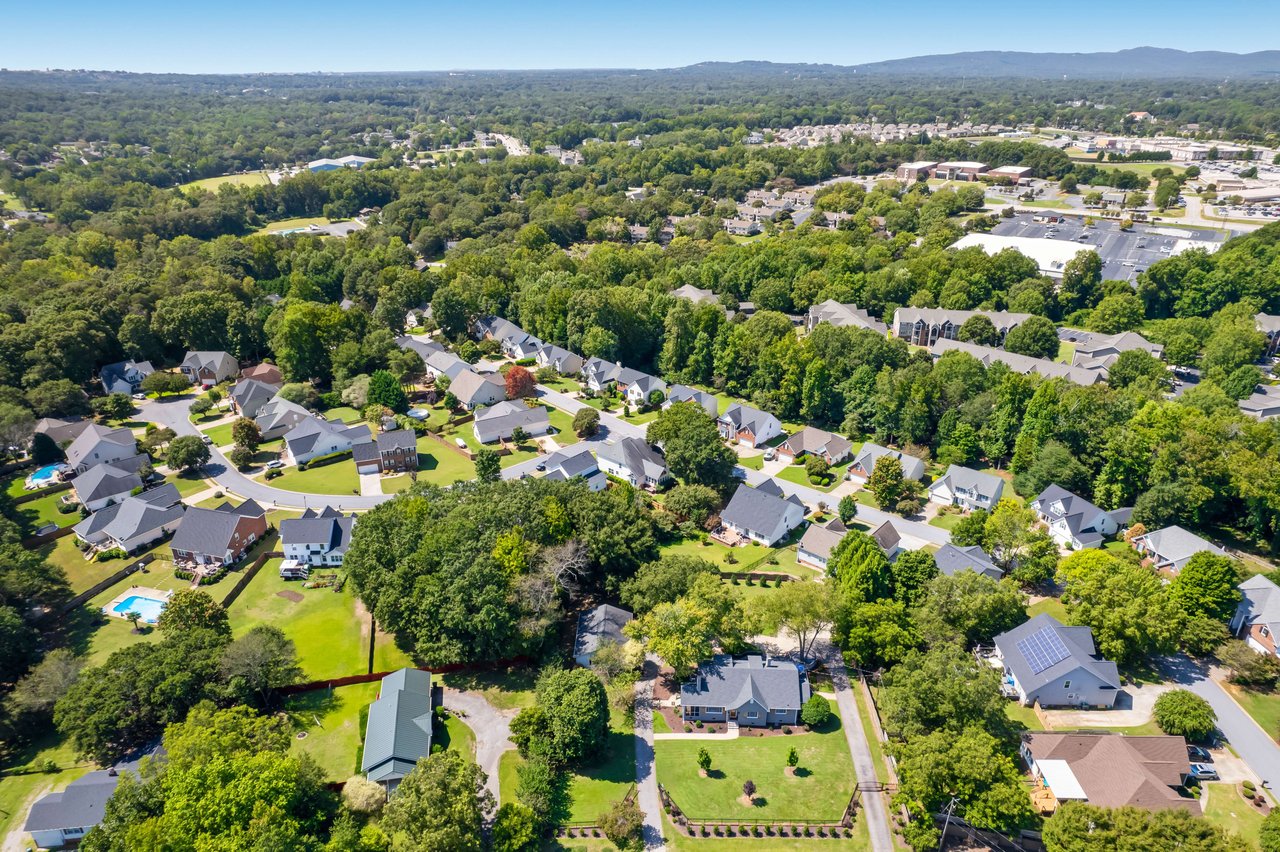
Consider the long view. If you plan to stay in the home for five or more years, look at the neighborhood's trajectory and what's developing nearby. Clemson's growth has been steady, and areas around the university and along the Lake Hartwell corridor have seen continued interest. Think about what would make you want to sell eventually and whether the home has the characteristics that hold resale value: lot size, bedroom count, garage space, and overall condition.
Questions To Ask Yourself Before Writing an Offer
- Does this home support how I live today and where I expect to be in three to five years?
- Are there features or layout elements I'd want to change, and am I prepared for those renovation costs?
- Does the location work for my daily routine, including work, errands, and commute?
- Am I buying at a price I'm comfortable with, independent of how competitive the offer needs to be?
FAQs
What Should I Always Ask About Before Making an Offer in Clemson?
At a minimum, you'll want to know the age and condition of the major systems (HVAC, roof, water heater), whether the home has a history of moisture or structural issues, and what the seller's disclosure reveals.
How Do I Know if a Home's Location in Clemson Is Right for Me?
Think about your daily routine and what it requires in terms of proximity and commute. Spend time in the neighborhood at different times of day, including weekends when university traffic and events can change the feel of an area significantly.
How Competitive Is the Clemson Market for Buyers?
Clemson is a relatively small market with limited inventory in popular price ranges, which means that well-priced homes in great condition tend to receive attention quickly. Working with a local agent who knows the market's timing and pricing patterns gives you a real advantage when you're ready to move.
Make Your Move in Clemson With Confidence
Buying a home in Clemson is a decision worth taking seriously, and the questions you ask before writing an offer are what separate a successful, rewarding purchase from a costly one. The more clearly you understand a property's condition, history, and fit for your lifestyle, the more confident you can be when it's time to make your move.
No checklist replaces the guidance of someone who knows this market from the inside. If you're ready to start touring homes or want to talk through what to prioritize before your search, reach out to me, Daniel Sanders at
Daniel Sanders & Co. I'll help you evaluate your options clearly and make sure you're prepared for every step, from your first showing to closing day.