Lake Keowee Waterfront Vs. Interior Homes: How To Decide
June 4, 2026
June 4, 2026
Choosing between a Lake Keowee waterfront home and an interior home can feel simple at first. Then you start comparing price, boat access, HOA rules, upkeep, and how you actually want to use the property. If you are trying to figure out which option fits your lifestyle and budget in the Seneca and Oconee County area, this guide will help you sort through the real tradeoffs. Let’s dive in.
On Lake Keowee, the difference is not just about whether a home touches the shoreline. It is really about how direct your lake access is and what that access costs you in price, rules, and maintenance.
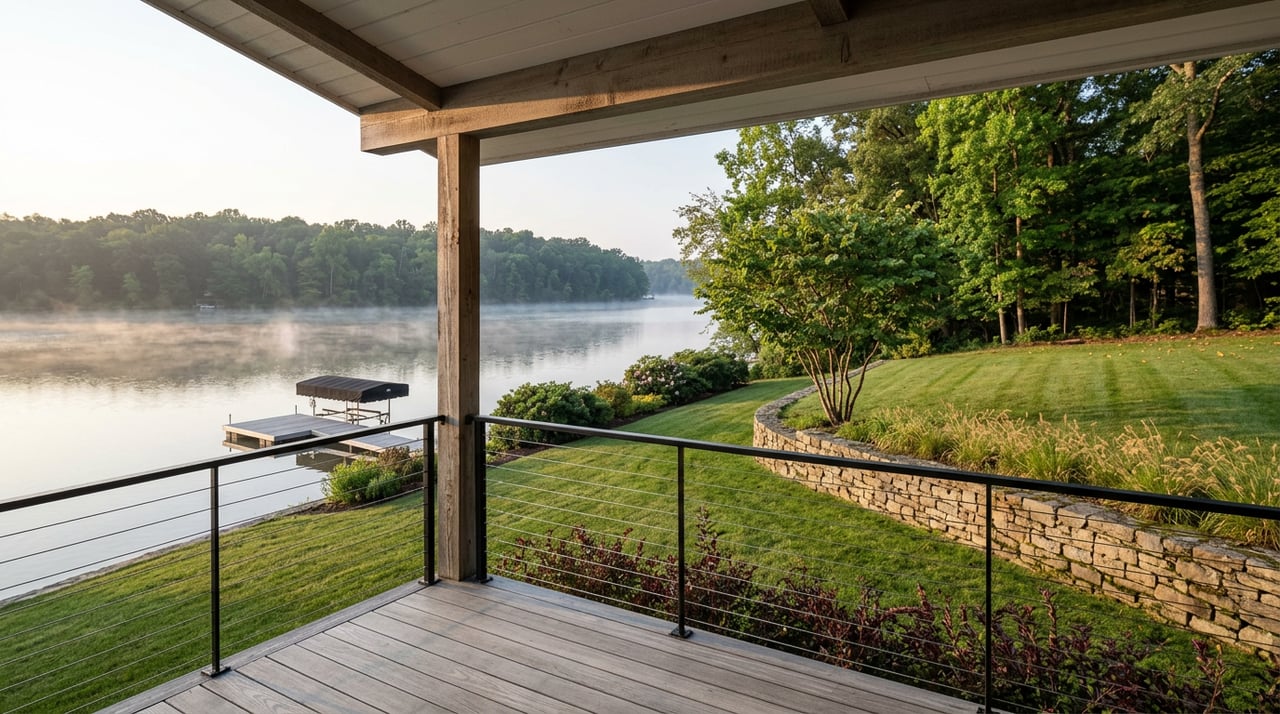
Waterfront homes sit on the shoreline and usually give you the most immediate lake experience. You may have a private dock, stronger water views, and a shorter path from your house to the boat.
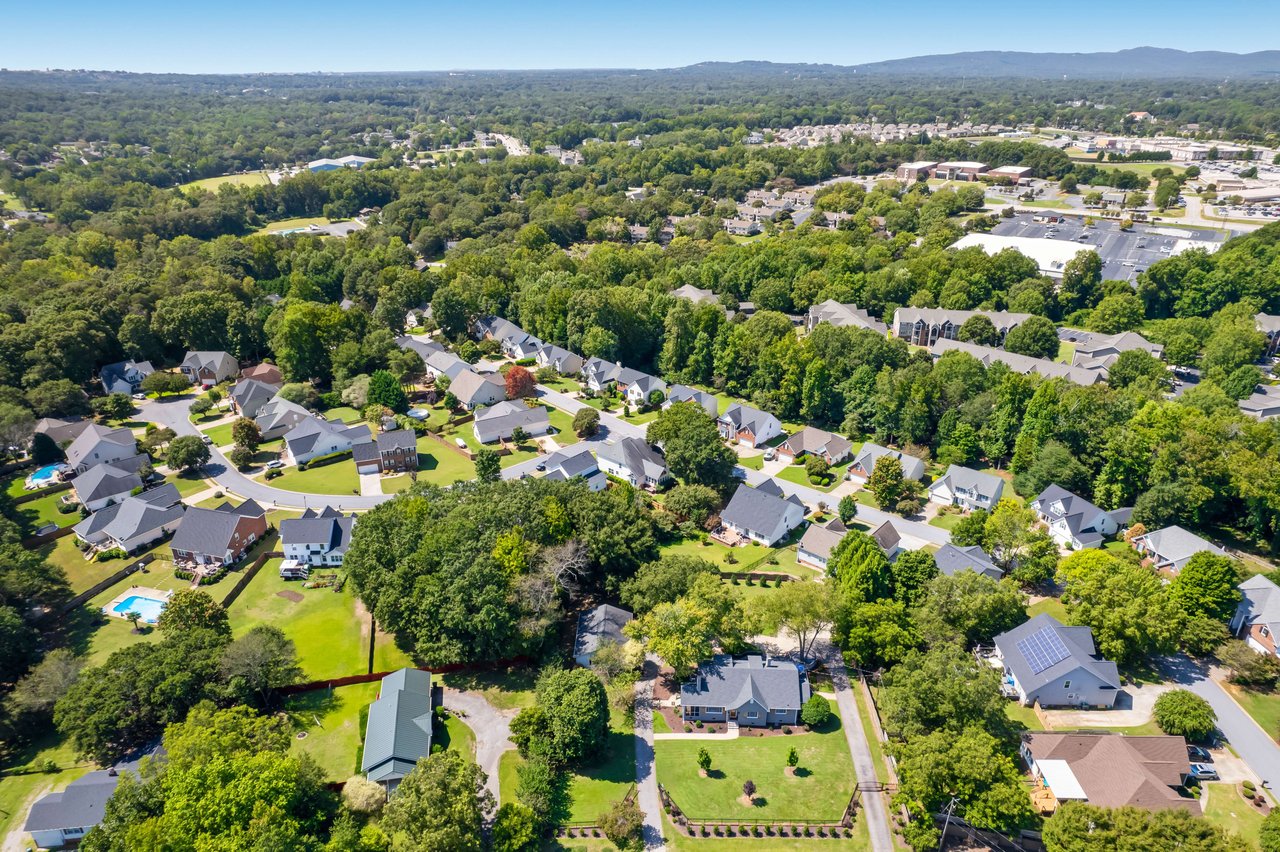
Interior homes sit off the shoreline, but that does not always mean giving up the lake lifestyle. In many Lake Keowee communities, interior owners may still have a deeded or leased slip, marina access, or a community boat ramp.
That local detail matters. Lake Keowee is an 18,000-acre reservoir with more than 300 miles of shoreline, so access takes many forms across different communities and property types.
If budget is a major part of your decision, the gap between waterfront and interior homes on Lake Keowee is hard to ignore. In the broader 29678 market, Zillow shows an average home value of $257,329 and a March 2026 median sale price of $227,167.
Lake-oriented properties often sit far above those broader local numbers. Even many interior homes with lake access carry a clear premium because buyers still value boating, views, and community amenities.
Recent interior examples show that range well:
Now compare that with recent waterfront examples:
The pattern is clear. Waterfront typically commands a much higher price, while interior homes can offer a lower entry point into the Lake Keowee lifestyle.
For many buyers, the biggest question is simple: how easy will it be to get on the water?
With a waterfront home, daily boat use is usually easier. If the dock is on your property, you can move from house to lake with fewer steps and less planning.
With an interior home, access depends heavily on the community and the specific property. Some neighborhoods make lake use very convenient by offering slips to interior owners, marina access, or a boat ramp.
That is why you should not assume interior means boatless. In communities like Waterside Crossing, boat slips are available to interior lot owners, and the marina also includes launch access for kayaks, canoes, and paddleboards.
If you plan to boat often, ask questions that go beyond the listing photos. You will want to know:
A well-located interior home with a reliable slip may fit your needs better than a waterfront home that stretches your budget.
Lake Keowee ownership comes with an extra layer of planning because Duke Energy controls shoreline activity through its shoreline management plan and permit process. That applies most directly to waterfront owners, but it can still affect how you use and improve your property.
Dock installation, piers, shoreline stabilization, dredging, and similar work are regulated. If contractors use Duke-owned access areas for shoreline projects, separate access-area permits are also required.
Duke Energy also notes that access areas are for launching and retrieving watercraft, not for storing boats, trailers, or vehicles. That is an important detail if you are comparing waterfront convenience with interior ownership that depends on shared launch points.
For waterfront buyers, these rules are part of ownership from day one. For interior buyers, they still matter because community access and marina use often rely on systems managed around those same shoreline standards.
A waterfront home may feel like the obvious dream, but it helps to think about year-round usability. Duke Energy says the Keowee-Toxaway project uses lake-level management and a low inflow protocol during drought conditions.
That means seasonal water fluctuations are part of the ownership picture. Depending on the location of the home and dock setup, changes in water level can affect dock usability and day-to-day convenience.
If you are focused on boating, this is one more reason to look closely at the details. A private dock is a major benefit, but it is still tied to lake conditions and site-specific factors.
The lifestyle appeal of waterfront living is easy to understand. So is the upkeep that comes with it.
In most cases, waterfront owners take on more maintenance because they may be responsible for the dock, lift, shoreline, erosion control, and weather exposure. Even outside the water itself, lakefront homes often have more decking, paths, and exterior features that need attention over time.
One recent Waterside Crossing waterfront example highlighted a private dock with lift and touchless cover, a cart path to the dock, and upgrades to the roof, windows, decking, driveway, and other systems. That kind of property can deliver an amazing experience, but it also shows how much there is to maintain.
Interior homes often reduce that shoreline burden. You may still have HOA obligations, slip-related responsibilities, or amenity fees, but you are usually not managing direct shoreline improvements yourself.
On Lake Keowee, the map pin is only part of the story. HOA rules, architectural controls, and fee structures can shape your ownership experience just as much as whether the home is waterfront or interior.
For example, Waterside Crossing requires approval for lot clearing, shoreline stabilization, dock installation, and other changes. Its published fee schedule includes a $3,000 application and review fee plus a $7,500 construction escrow deposit for new construction.
HOA costs can also vary widely from one property to another. A Serenity Bay interior-lake cabin showed a $3,125 annual HOA fee, while an Oak Pointe interior-lot home showed a $66 monthly HOA fee.
That is why reviewing community documents is essential. Before you decide, make sure you understand:
In many cases, the best fit is not the home with the most dramatic location. It is the one with rules and costs that match how you actually want to live.
If you plan to use the home as your primary residence, Oconee County tax rules may help your long-term costs. Primary residences are taxed at the 4 percent assessment ratio.
Eligible owner-occupants may also qualify for the homestead exemption, which removes the first $50,000 of residence value from property taxes. That will not erase the waterfront premium, but it is still a useful part of your budgeting picture if you are buying a full-time home.
This is especially important if you are comparing a primary residence to a second-home or lifestyle purchase. The way you plan to use the property can affect how affordable it feels over time.
If you want the shortest path from kitchen to dock, use the lake often, and are comfortable with a higher price point and more upkeep, waterfront may be the right choice. You are paying for direct access, stronger views, and a more immediate lake experience.
If you want to enjoy Lake Keowee at a lower entry point, prefer less shoreline maintenance, or do not mind using a slip, marina, or community launch, an interior home may be the smarter move. In this market, interior does not always mean giving something up. Often, it means choosing a different kind of lake access.
A helpful way to frame the decision is this: you are not choosing between lake and no lake. You are choosing how much direct water access is worth to you relative to price, rules, and maintenance.
Before you make an offer, ask yourself these questions:
The right answer usually becomes clearer when you focus on your actual habits, not just the dream image.
Whether you are comparing a full-time move, a weekend retreat, or a lake-area home that fits your next stage of life, local context matters. If you want help weighing waterfront versus interior options around Seneca and Lake Keowee, connect with Daniel Sanders & Co., Keller Williams Clemson for practical guidance rooted in the local market.
Stay up to date on the latest real estate trends.

Cozy Reading Space and Library Design Tips for Homes in Clemson.

Designing a Media Room Built for Great Movie Nights in Clemson.

Here at Daniel Sanders & Co., Keller Williams Clemson we understand how important buying or selling a home is. It is not just a transaction, but a life changing event. That is why we strive to provide the most professional and personal touch to every transaction we handle.