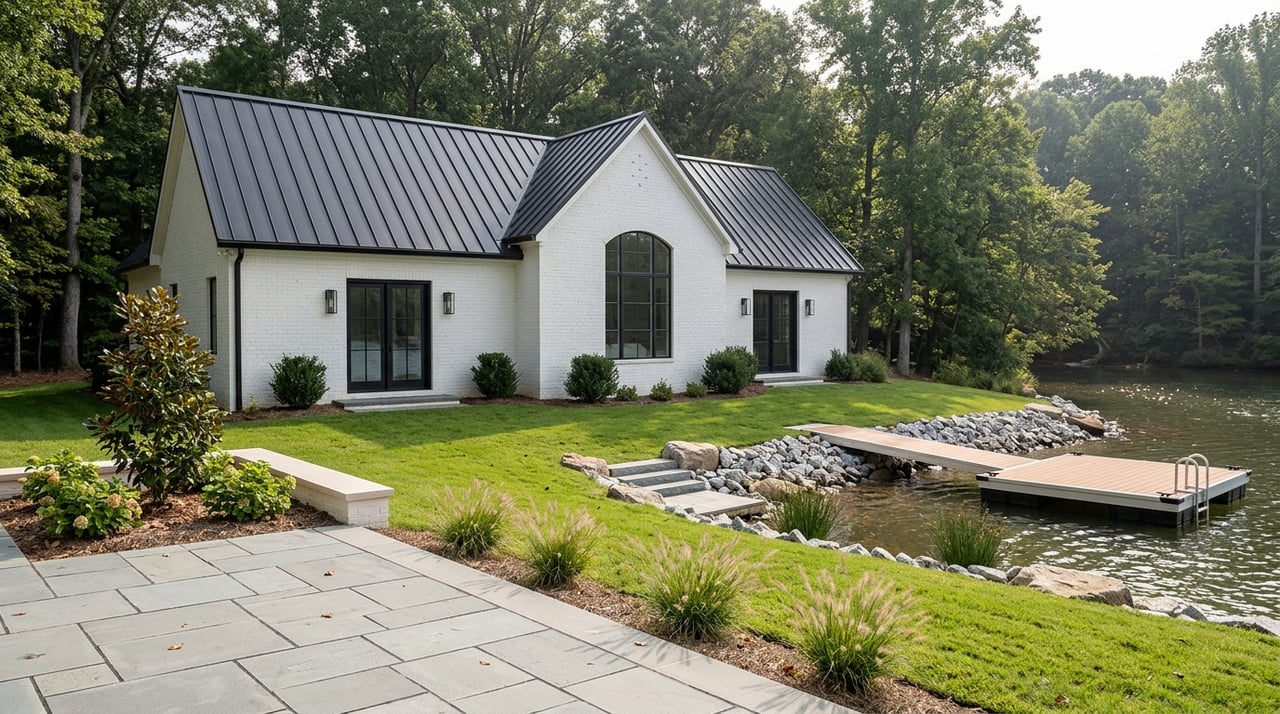
What To Evaluate Before Buying A Lake Hartwell Waterfront Home
June 18, 2026
June 18, 2026
Buying a Lake Hartwell waterfront home can feel like a dream come true, but the view alone should not make the decision for you. In Anderson’s 29625 area, two lakefront properties can offer very different day-to-day experiences based on shoreline rules, dock potential, utilities, and flood considerations. If you want a home that truly fits how you plan to live, boat, or relax on the lake, it helps to know what to evaluate before you fall in love with the setting. Let’s dive in.
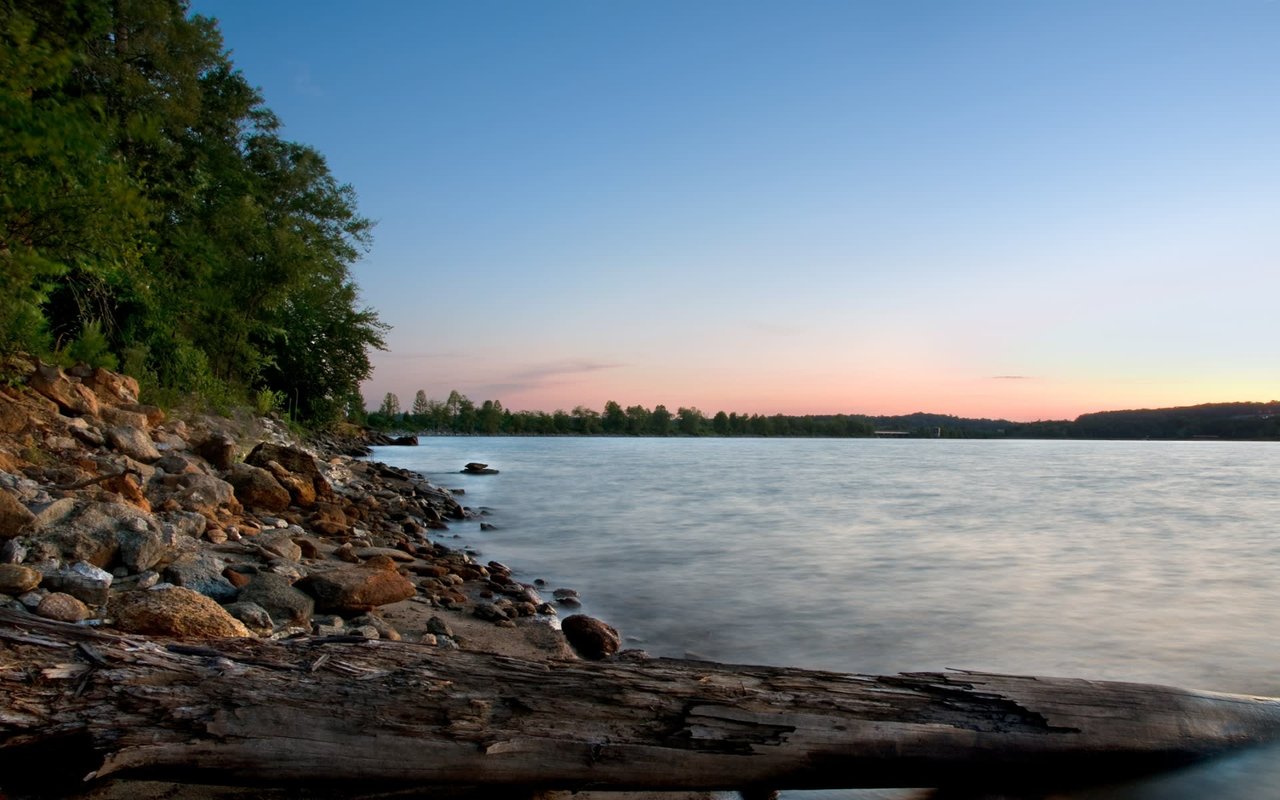
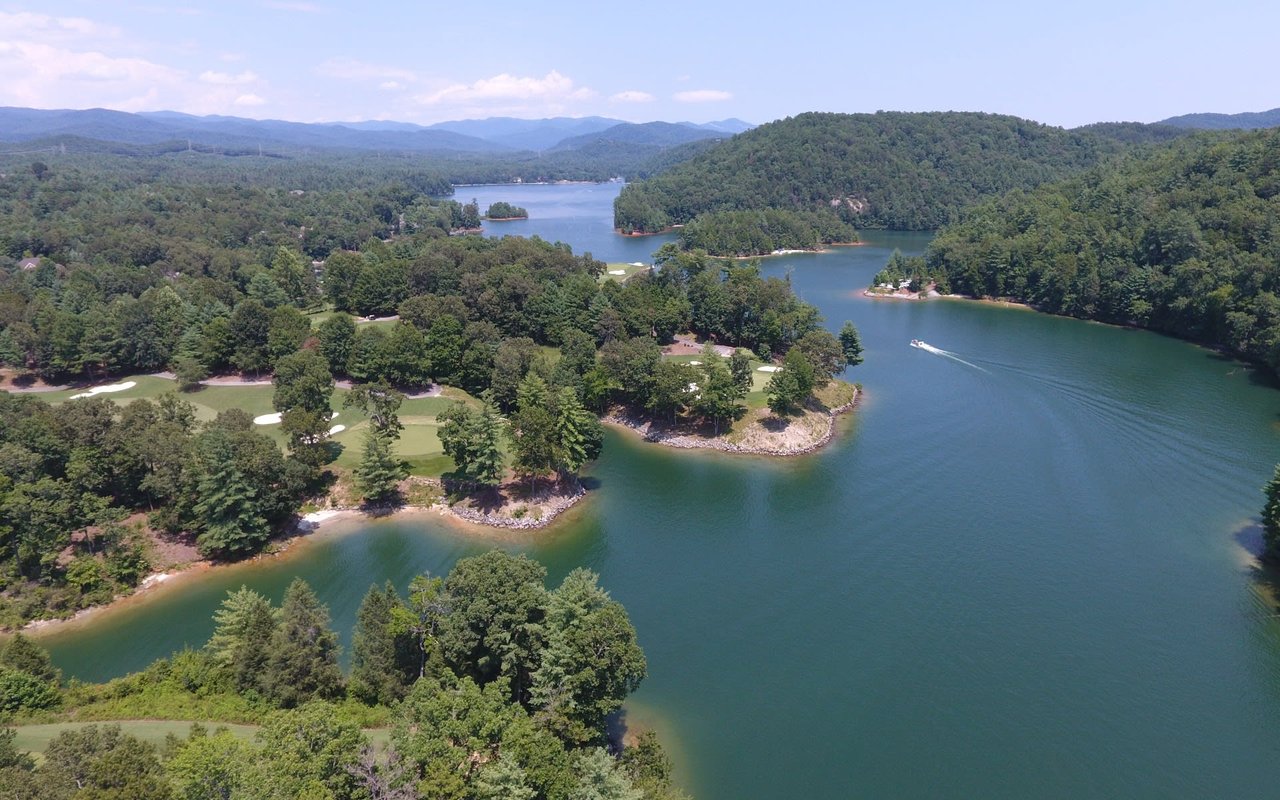
Lake Hartwell is a large man-made lake on the Savannah River system that borders South Carolina and Georgia. According to the U.S. Army Corps of Engineers, it has nearly 56,000 acres of water, 962 miles of shoreline, and public land around the lake. The Corps also notes that water levels can fluctuate daily, which matters when you are evaluating access to the shoreline.
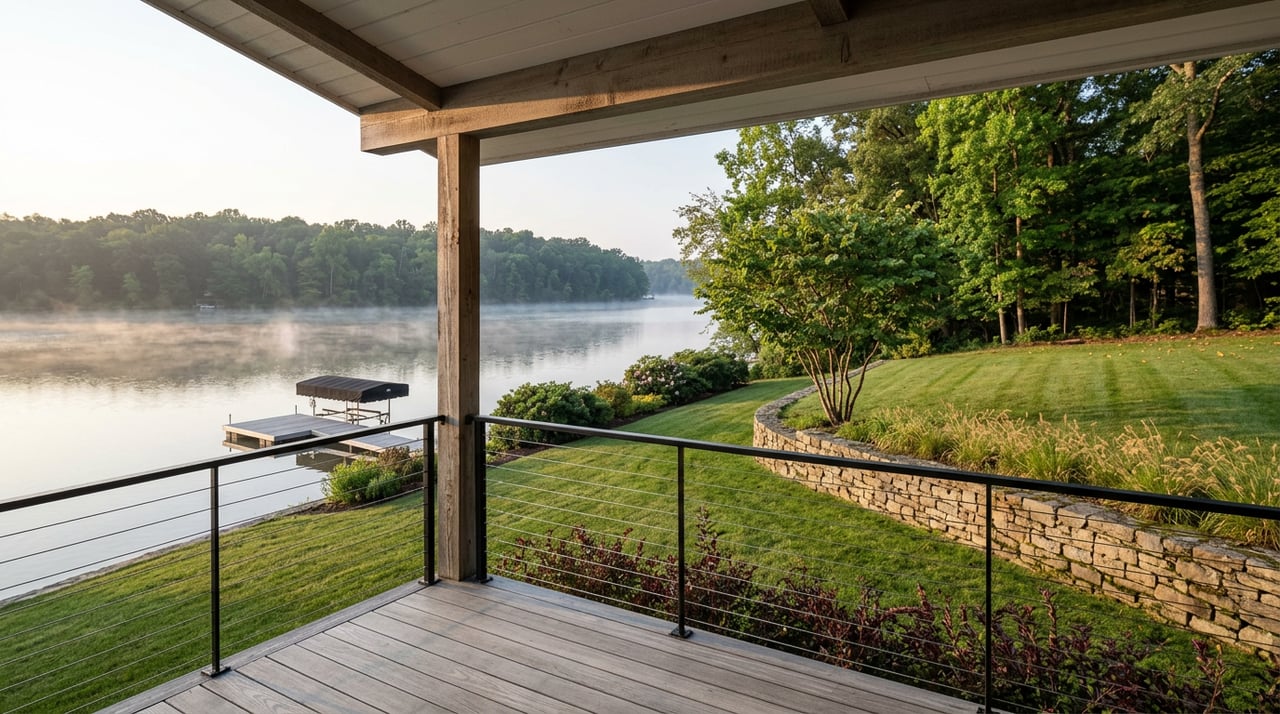
That is why “waterfront” is not a one-size-fits-all label on Hartwell. One home may offer a gentle walk to the water and easy boat access, while another may have a steeper lot, limited shoreline use, or less practical access for daily enjoyment. Before you focus on finishes or staging, make sure the property supports the way you actually plan to use it.
A waterfront home in 29625 can work well for different goals. You may be looking for a full-time residence, a second home, or a place built around boating and weekends on the water. Each use case brings different priorities, so it helps to get clear on what matters most to you early in the search.
If you plan to live there year-round, convenience and infrastructure may matter just as much as the view. If you are buying a getaway or game-day retreat, you may care more about easy lake access, lower maintenance, or proximity to a marina. A property that looks perfect online may not be the right fit if the lot and shoreline do not support your actual plans.
One of the most important things to evaluate before buying a Lake Hartwell waterfront home is the shoreline classification. The Corps uses shoreline management maps that divide the shoreline into different categories, and those categories affect what private uses may be allowed.
In general, green or limited development areas may be considered for private uses such as boat docks and underbrushing. Yellow or protected shoreline may allow some private uses, but no new boat dock permits. Red areas are developed or public recreation areas where private use facilities are not authorized, and orange areas are prohibited access areas where private use permits are also not considered.
These maps are a helpful starting point, but they are not the final word for a specific lot. The Hartwell Project Office advises buyers to contact the office for an exact site determination. That step can save you from making assumptions based on a listing description or map snapshot.
Many buyers hear “waterfront” and assume a private dock comes with it. On Lake Hartwell, that assumption can create real disappointment. The Corps states that dock eligibility depends on factors such as shoreline zoning, location, and spacing from other structures.
Most importantly, the Corps says a field inspection is the only way to positively determine dock potential. It specifically encourages prospective buyers to request that inspection before purchasing property on Hartwell Lake. If having a dock is part of your plan, this should be near the top of your due diligence list.
Even if a property currently has shoreline improvements or an existing permit history, you still need to verify the current situation carefully. The Corps says shoreline use permits are not transferable. When the adjacent property is sold or transferred, the permit becomes null and void, and the new owner must apply for a new five-year permit.
To apply, buyers should be prepared with the recorded deed, plat, dock plans if applicable, and the permit fee. The Corps also states that no facility can be built until the signed permit is received. In practical terms, you want confirmation of the rules and the process before closing, not after.
A nearby marina can add convenience, but it does not replace private dock verification. In Anderson 29625, Portman Marina is one of the commercial marinas listed by the Corps on Lake Hartwell. Other marinas on the lake include Big Water Marina, Harbor Light Marina, Hartwell Marina, and Clemson Marina.
If you keep a boat at a marina, that may work well for your lifestyle, especially if the property itself is not dockable. Still, the existence of marina access should be treated as a separate benefit, not proof that the lot functions the way you want it to. You should also review current lake-level information, boat ramp openings or closures, and bridge clearance details as part of your planning.
If the home is in a neighborhood with a homeowners association, the HOA documents deserve the same attention as the shoreline rules. In South Carolina, sellers must disclose whether a property is governed by an HOA through the residential property disclosure process. The South Carolina consumer agency also advises buyers to review the covenants and bylaws closely.
These documents can affect much more than dues. They often govern meetings, special assessments, elections, collection policies, and what owners can do with the property. On a lake home, they may also affect exterior changes, landscaping, parking, guest use, boat storage, trailers, and other day-to-day details that shape how the property works for you.
Before moving forward, it is smart to ask for key records and answers in writing where possible. South Carolina buyer guidance recommends reviewing items such as:
For a waterfront home, you should also read for any rules related to docks, shoreline vegetation, exterior improvements, boat storage, trailers, or short-term rental use if the subdivision addresses those topics.
The house itself still matters just as much as the lot. South Carolina’s residential property disclosure statement covers water supply, water quality, water pressure, sanitary sewage disposal, roof systems, gutters, foundation, windows, decks, walkways, fencing, and other structural components.
For a waterfront property, moisture, drainage, and wear from the setting deserve close attention. A qualified home inspection can help you look beyond cosmetics and focus on the systems and conditions that affect long-term ownership. Decks, walkways, drainage patterns, and signs of water intrusion all deserve extra attention near the lake.
Some Lake Hartwell homes rely on private systems rather than public utilities. If the home uses septic, the South Carolina Department of Environmental Services evaluates factors such as soil type, slope, bedroom count, nearby wells, property lines, surface waters, buildings, drainage ditches, and the planned house footprint before issuing a permit to construct.
The agency also notes that existing septic systems generally do not have to be inspected under state law unless a local ordinance requires it. That means a private septic inspection can be a wise step for a buyer, especially if you are considering an older waterfront home. It is a practical way to better understand the condition of a system that may not otherwise be reviewed during the transaction.
If the property uses a private well, water quality should be part of your due diligence. EPA recommends annual testing for total coliform bacteria, nitrates, total dissolved solids, and pH. It also recommends testing after flooding, nearby land disturbance, repairs, or noticeable changes in taste, odor, or color.
On a waterfront lot, runoff and drainage can make water quality an important point to evaluate. If a well is present, using a certified drinking-water laboratory can help you get a clearer picture before you buy.
Flood risk is another item that should be reviewed early, not late. FEMA’s Flood Map Service Center is the official public source for flood-hazard information, and FloodSmart states that most homeowners and renters insurance policies do not cover flood damage.
For buyers in the Lake Hartwell market, that means it is smart to check the property address in the FEMA map system during due diligence and discuss potential flood insurance costs before closing. Even when a home has a great view and strong lake access, insurance and flood exposure can affect both ownership costs and peace of mind.
When you are buying a Lake Hartwell waterfront home in Anderson 29625, the smartest path is to verify the lot before you get too attached to the house. Start with shoreline allocation and dockability. Then review HOA rules, and after that, take a close look at inspections, utilities, septic or well systems, and flood exposure.
On Hartwell, the difference between a great lake property and a frustrating one often comes down to how well the lot, permits, neighborhood rules, and infrastructure support your goals. If you want local guidance from a team that understands how Clemson-area buyers use lake homes for full-time living, weekends, and everything in between, connect with Daniel Sanders & Co., Keller Williams Clemson.
Stay up to date on the latest real estate trends.

Cozy Reading Space and Library Design Tips for Homes in Clemson.

Designing a Media Room Built for Great Movie Nights in Clemson.

Here at Daniel Sanders & Co., Keller Williams Clemson we understand how important buying or selling a home is. It is not just a transaction, but a life changing event. That is why we strive to provide the most professional and personal touch to every transaction we handle.