By Daniel Sanders
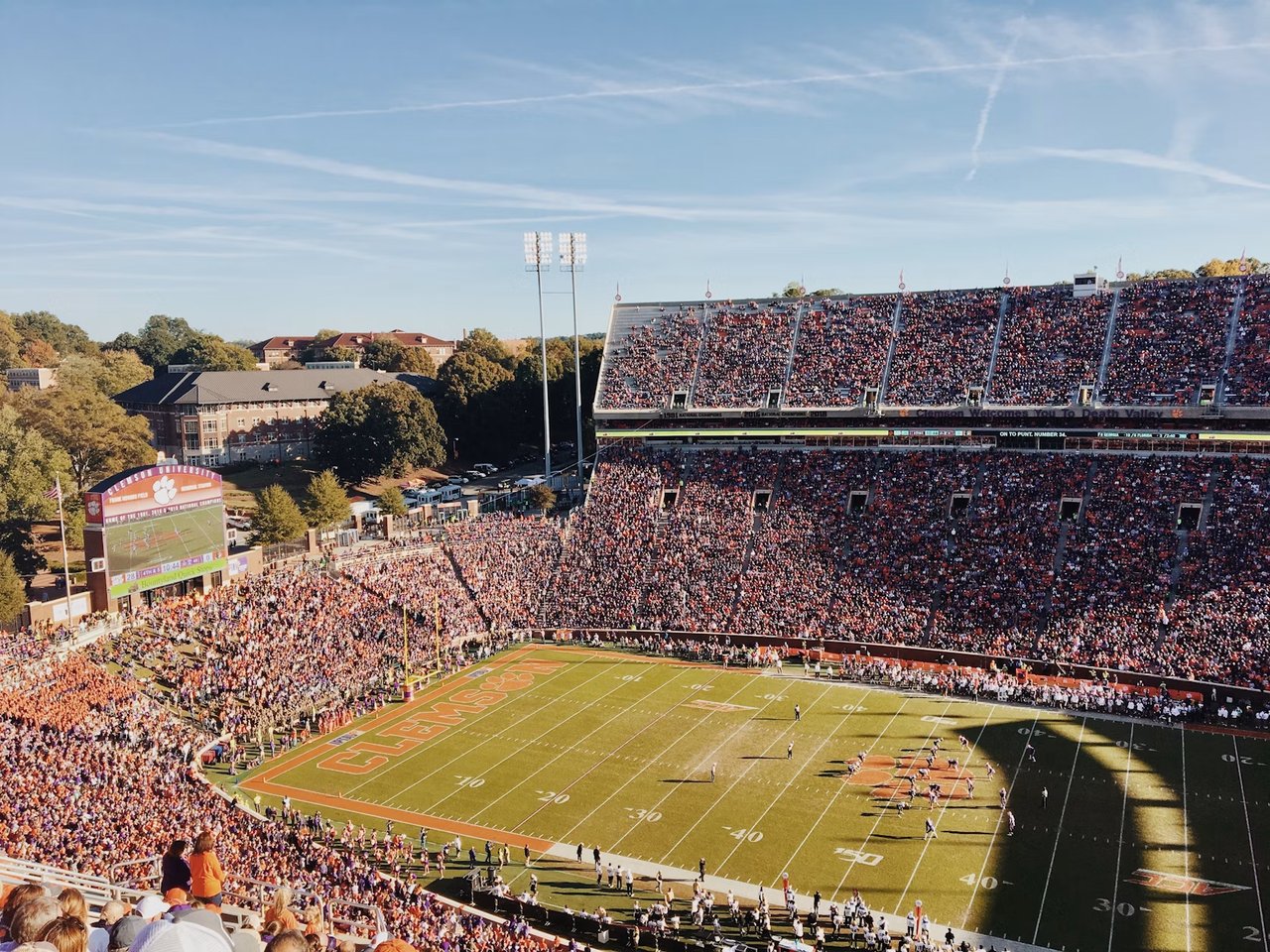
In real estate, negotiation is where value is created—or lost. Whether you’re buying a lakefront home on Lake Hartwell, selling a property near Clemson University, or investing in income-producing real estate, the negotiation phase determines the final outcome more than almost any other part of the transaction.
As a Clemson real estate professional, I’ve seen firsthand how strategic negotiation can protect my clients’ equity, reduce risk, and create leverage in competitive markets. Real estate negotiation isn’t about confrontation—it’s about preparation, psychology, timing, and clarity.
Here are the most common negotiation tactics used in real estate—and how I use them strategically to protect my clients.
Understanding Market Leverage Before Negotiating
Before any negotiation begins, I evaluate one key factor: leverage. Is it a buyer’s market, a seller’s market, or balanced? In Clemson, SC, leverage can shift depending on property type. For example, student housing near Clemson University often sees high demand before the academic year, while lakefront homes on Lake Hartwell may follow seasonal trends.
Understanding:
- Days on market
- Inventory levels
- Comparable sales
- Buyer demand
- Seller motivation determines how aggressive or conservative a negotiation strategy should be.
Without market intelligence, negotiation becomes guesswork. With data, it becomes strategic positioning.
Anchoring the Conversation with a Strong Opening Offer
One of the most widely used negotiation tactics is anchoring. The first offer often sets the psychological framework for the entire transaction.
For buyers, I craft offers based on data—not emotion. A well-supported offer backed by recent comparable sales signals seriousness while protecting my client’s position.
For sellers, pricing strategy serves as the anchor. A property priced correctly in Clemson’s competitive neighborhoods—such as Patrick Square, Downtown Clemson, or waterfront communities along Lake Hartwell—can drive multiple offers and strengthen negotiating power.
The goal isn’t simply to “go low” or “go high.” It’s to set a credible anchor that shapes the range of discussion.
Strategic Concessions: Give to Gain
Effective negotiators understand that small concessions can create momentum. In real estate, common concessions include:
- Adjusting closing timelines
- Offering repair credits
- Including appliances or furnishings
- Covering a portion of closing costs
When representing buyers in Clemson real estate transactions, I may recommend flexibility on non-financial terms—like occupancy dates—in exchange for a stronger price agreement.
Negotiation is rarely about winning every point. It’s about identifying what matters most and trading strategically.
The Power of Silence
Silence is one of the most underrated negotiation tools in real estate. After submitting an offer or counteroffer, there’s often a natural impulse to fill the gap with additional justification.
I advise my clients to remain patient. Silence creates space for the other party to process. In many cases, over-explaining weakens leverage. Confidence, supported by market data, communicates strength without unnecessary commentary.
In competitive Clemson real estate transactions, measured communication often produces better outcomes than reactive responses.
Creating Competition to Strengthen Position
For sellers, generating multiple offers is one of the most powerful negotiation tactics available. In high-demand areas—particularly near Clemson University or in desirable lakefront neighborhoods—I use strategic marketing and exposure to create urgency.
When buyers know there is competition, their offers often improve in:
- Price
- Contingency terms
- Earnest money deposits
- Inspection flexibility
For buyers competing in multiple-offer situations, I focus on crafting clean, compelling offers that stand out beyond price alone.
Negotiation strength often comes from positioning before the offer is even written.
Managing Inspection Negotiations
The inspection period is where many transactions unravel. It’s also where strategic negotiation matters most.
Common tactics during inspection negotiations include:
- Requesting repair credits instead of repairs
- Prioritizing major issues over cosmetic items
- Obtaining contractor estimates to support requests
- Renegotiating price when significant defects arise
In Clemson, especially with older homes or lakefront properties exposed to moisture, inspections can reveal issues related to roofing, foundations, HVAC systems, or docks.
My role is to keep negotiations solution-focused rather than emotional. The goal is to address legitimate concerns without jeopardizing the transaction unnecessarily.
Using Deadlines to Drive Action
Time pressure can shift negotiation dynamics. Strategic use of deadlines—whether in offer expiration clauses or contingency timelines—encourages decisive responses.
However, deadlines must be used thoughtfully. Artificial pressure can backfire if the other party feels manipulated. In strong seller’s markets, short offer deadlines can create urgency. In balanced markets, a more measured timeline may produce better engagement.
In Clemson real estate transactions, especially during peak university housing cycles, timing can significantly impact leverage.
Understanding Seller and Buyer Motivation
Behind every transaction is a human story. Some sellers are relocating for work. Others may be downsizing, managing an estate, or transitioning to lakefront retirement living. Buyers may be investing, relocating to Clemson for Clemson University employment, or purchasing a primary residence.
Identifying motivation allows me to tailor negotiation strategy accordingly.
For example:
- A seller prioritizing speed may accept a lower offer with fewer contingencies.
- A buyer emotionally attached to a property may be willing to strengthen terms to secure it.
Negotiation is as much about psychology as it is about price.
The Art of Walking Away
One of the strongest negotiation tactics is the willingness to walk away. Desperation weakens leverage. Confidence strengthens it.
If terms become unreasonable or inspection issues cannot be resolved appropriately, I advise clients honestly about when it may be better to move on.
In Clemson’s real estate market, opportunities consistently arise. Protecting long-term equity and avoiding unnecessary risk is more important than forcing a deal.
Emotional Control and Professional Distance
Real estate is personal. Homes represent lifestyle, security, and identity. However, effective negotiation requires emotional control.
As a real estate professional, I serve as a buffer between clients and the intensity of negotiation. Maintaining professionalism ensures discussions remain constructive rather than confrontational.
Especially in high-value transactions—such as luxury homes on Lake Hartwell or executive properties near Clemson University—professional tone and strategic communication preserve relationships while advancing client goals.
Why Local Expertise Strengthens Negotiation
Negotiation tactics are universal, but execution is hyperlocal.
Understanding which Clemson neighborhoods command premium pricing, how quickly student housing leases, or how waterfront property values fluctuate seasonally gives me—and my clients—a distinct advantage.
Data-driven negotiation supported by local expertise creates clarity and confidence.
At the end of the day, successful negotiation in real estate is about:
- Preparation
- Market intelligence
- Strategic communication
- Emotional discipline
- Long-term perspective
When these elements align, outcomes improve significantly.
Frequently Asked Questions About Real Estate Negotiation
Is it always best to offer below asking price?
Not necessarily. In competitive Clemson real estate markets, particularly near Clemson University or on Lake Hartwell, strong offers may need to meet or exceed list price. The strategy depends on market conditions and property demand.
How much room is there typically to negotiate?
It varies based on inventory levels, seller motivation, and property condition. Some homes have minimal flexibility, while others may offer meaningful room for negotiation.
Should buyers waive contingencies to win in competitive markets?
Waiving contingencies increases risk. I guide clients carefully through the pros and cons of each decision to ensure they remain protected.
How do inspection negotiations typically work?
After inspections, buyers may request repairs, credits, or price adjustments. The key is focusing on material issues rather than cosmetic preferences.
What is the most important negotiation factor?
Preparation. Understanding market data, comparable sales, and the motivations of all parties creates leverage and confidence.
Work with Daniel Sanders for Strategic Real Estate Negotiation in Clemson, SC
Real estate negotiation is not about pressure—it’s about precision. Whether you’re buying, selling, or investing in Clemson, SC, I provide the strategy, market insight, and disciplined approach necessary to protect your interests.
If you’re preparing for a real estate transaction and want expert guidance rooted in experience and local expertise,
I invite you to connect with me directly. Let’s position your next move for strength, clarity, and success. Browse
Clemson, SC homes today!