By Daniel Sanders
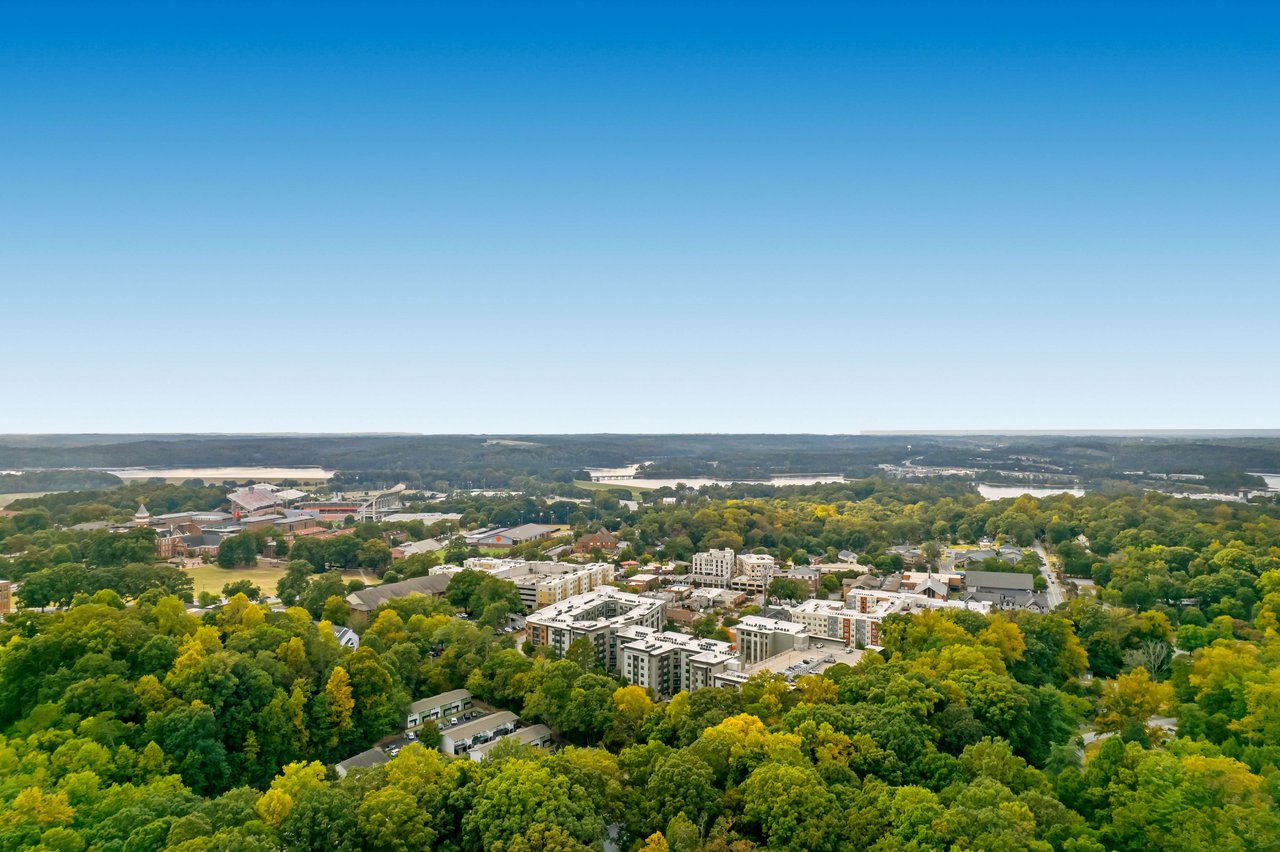
Clemson, South Carolina is widely recognized for Clemson University, Lake Hartwell, and its vibrant community—but it also has a quieter distinction: a collection of historic homes that reflect the city’s architectural and cultural heritage.
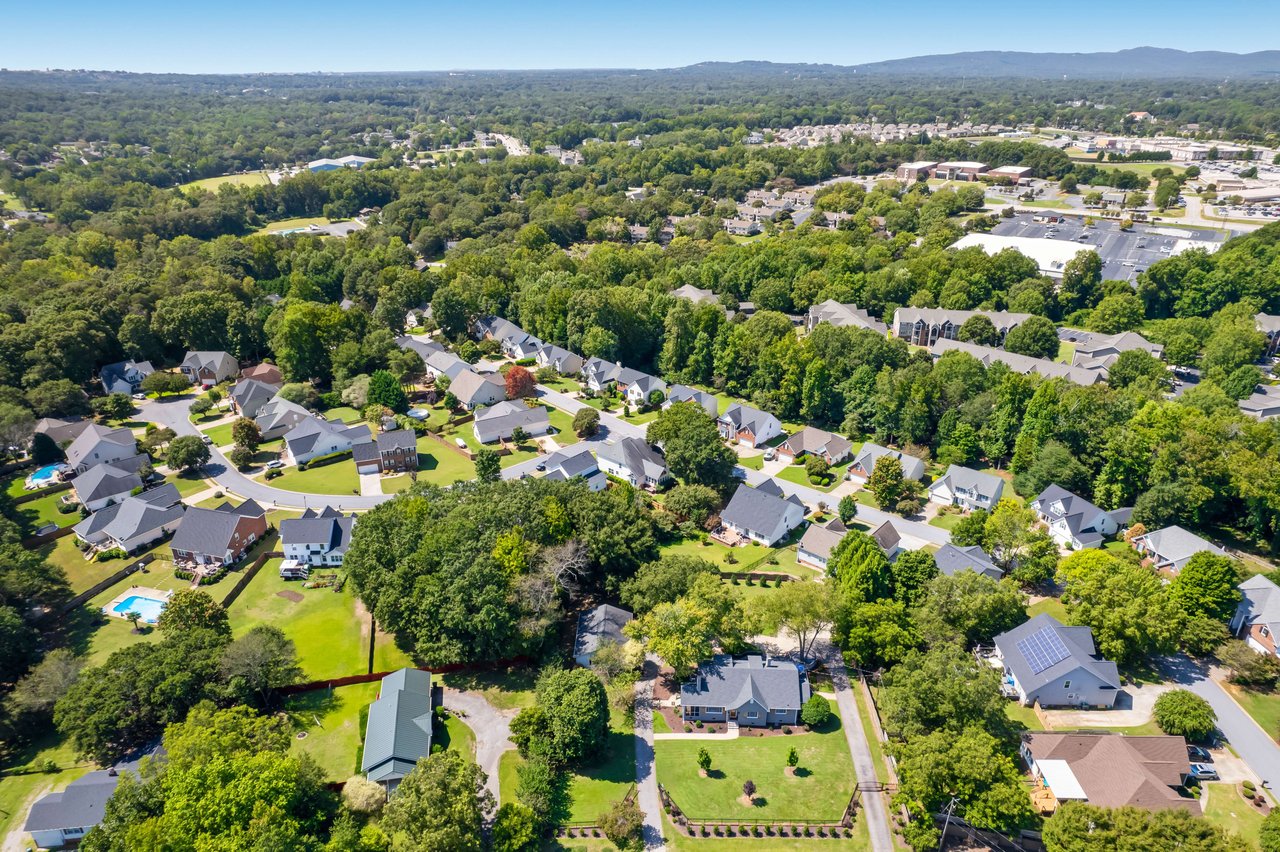
From early 20th-century cottages near Downtown Clemson to traditional brick residences in established neighborhoods like Calhoun Ridge and Ashley Dearing Park, historic homes offer character that newer construction simply cannot replicate.
As a Clemson real estate professional, I often work with buyers and sellers who are drawn to these properties for their craftsmanship, architectural integrity, and sense of permanence. However, owning a historic home comes with unique maintenance responsibilities. If you are considering purchasing—or already own—a historic property in Clemson, here is what you should know.
Understanding What “Historic” Means in Clemson, SC
Not every older home is officially designated as historic. In Clemson and surrounding areas of Pickens County, some homes may be located within historically significant areas or may qualify for preservation incentives, while others simply reflect older architectural styles without formal designation.
Historic properties in Clemson often feature:
- Craftsman bungalows
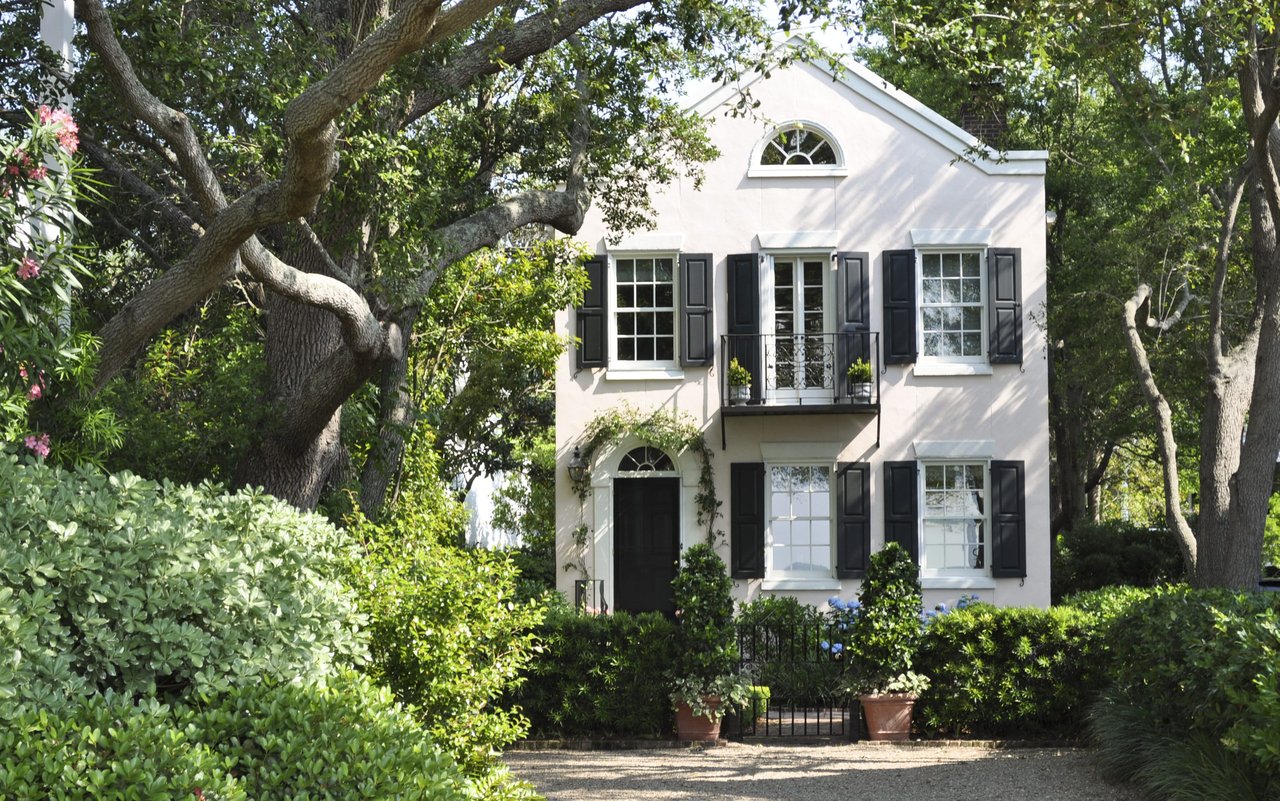
- Colonial Revival homes
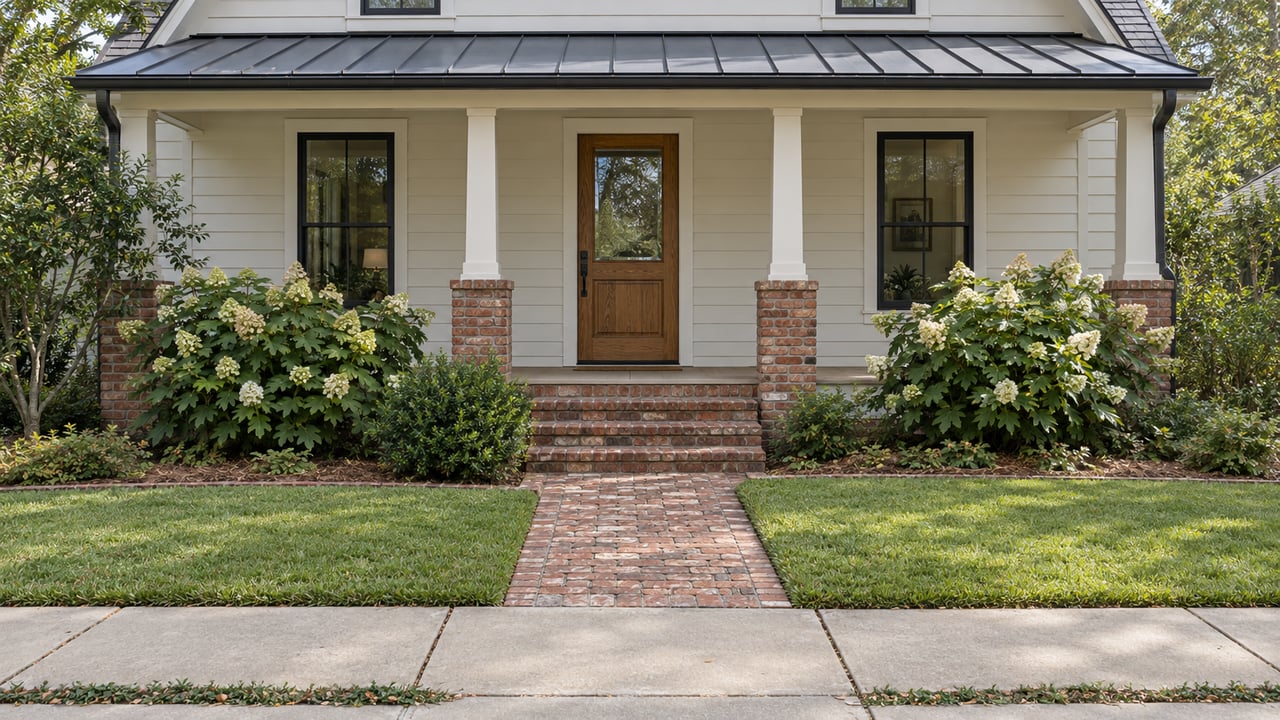
- Traditional brick ranch homes from the mid-20th century
- Early university-adjacent residences
If a home is located in a designated historic district or carries specific preservation guidelines, exterior modifications may require approval. Before purchasing, I always advise clients to confirm whether any local or state preservation regulations apply.
The Importance of Structural Integrity
Historic homes were built with materials and techniques that differ significantly from modern construction. Many Clemson homes built in the early 1900s used heart pine framing, solid wood doors, plaster walls, and masonry foundations.
While these materials are durable, they require careful oversight.
Key structural areas to monitor include:
- Foundation settling or cracking
- Crawl space moisture issues
- Original wood framing integrity
- Roof condition and flashing
Clemson’s humid climate makes moisture management especially important. Proper ventilation, vapor barriers, and routine inspections are essential to prevent long-term structural damage.
When I guide buyers through historic home purchases in Clemson, thorough inspections are non-negotiable.
Preserving Original Architectural Features
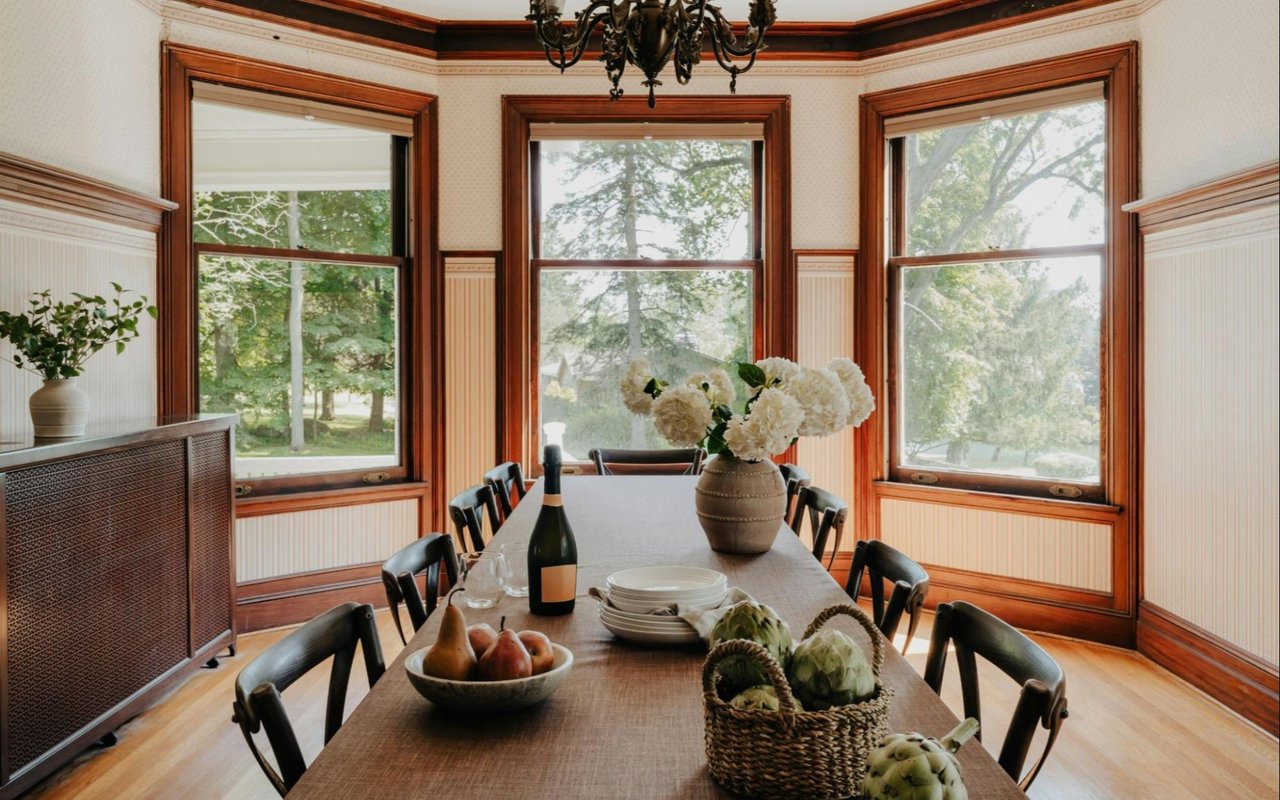
One of the greatest values of a historic home lies in its original details. Crown molding, built-in cabinetry, original hardwood flooring, and antique fireplaces add significant aesthetic and resale appeal.
However, maintaining these features requires specialized care.
For example:
- Original hardwood floors should be refinished, not replaced.
- Wood windows may need restoration rather than full replacement to preserve architectural integrity.
- Plaster walls require different repair methods than drywall.
Replacing historic elements with modern materials can diminish value and authenticity. In Clemson’s established neighborhoods, buyers often prioritize preserved character over overly modernized interiors.
Balancing modernization with preservation is key.
Updating Electrical and Plumbing Systems
Many historic homes in Clemson were built before modern electrical demands. Outdated wiring, limited breaker capacity, or older plumbing systems may require upgrades.
Common updates include:
- Replacing knob-and-tube wiring
- Installing modern breaker panels
- Updating galvanized plumbing
- Adding grounded outlets
While these updates may not be visible, they significantly improve safety and insurance eligibility.
When properly executed, infrastructure upgrades enhance livability while maintaining historic charm.
Managing Energy Efficiency in Older Homes
Energy efficiency is often a concern with historic properties. Older windows, minimal insulation, and aging HVAC systems can increase utility costs.
In Clemson’s warm summers and mild winters, homeowners should focus on:
- Attic insulation upgrades
- Sealing air gaps
- High-efficiency HVAC installation
- Storm windows instead of full window replacement
The goal is to improve performance without compromising architectural aesthetics. Many Clemson homeowners successfully integrate modern comfort systems while preserving historic exteriors.
Exterior Maintenance in Clemson’s Climate
Clemson’s climate includes humidity, seasonal storms, and occasional freezing temperatures. Historic home exteriors require proactive care.
For wood-sided homes:
- Regular painting or sealing
- Monitoring for rot or termite activity
- Maintaining gutters and drainage
For brick homes:
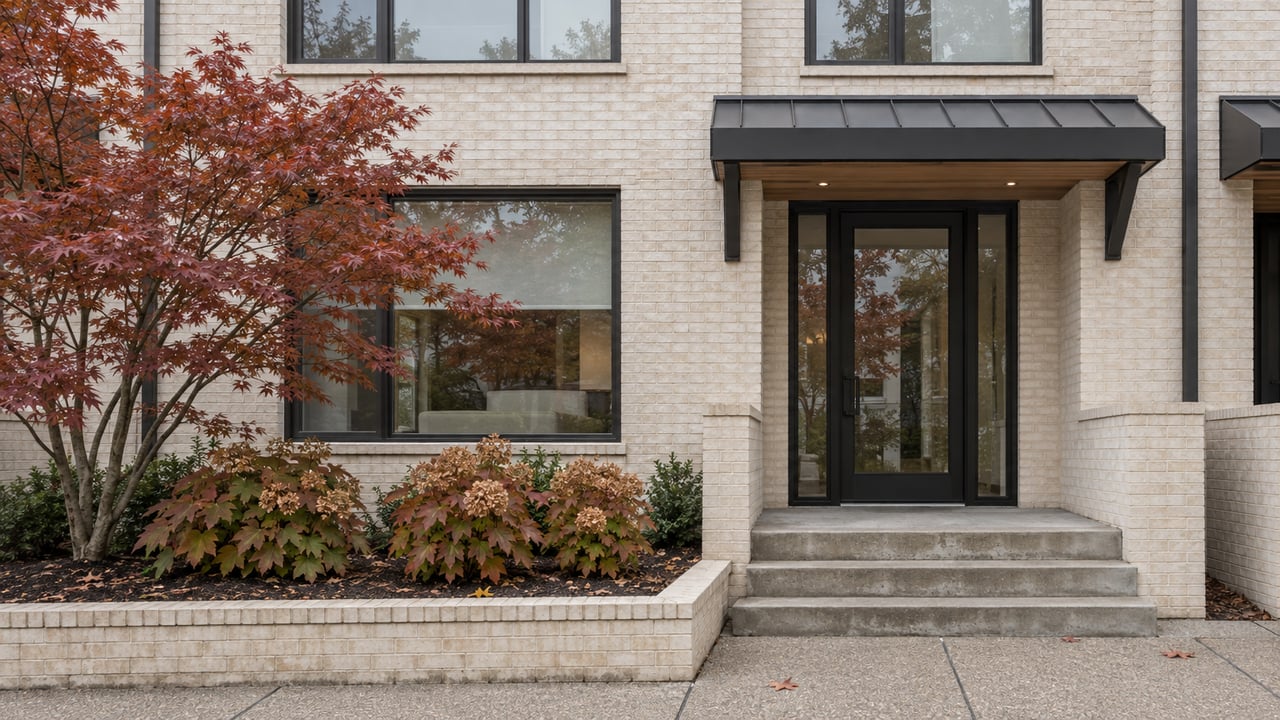
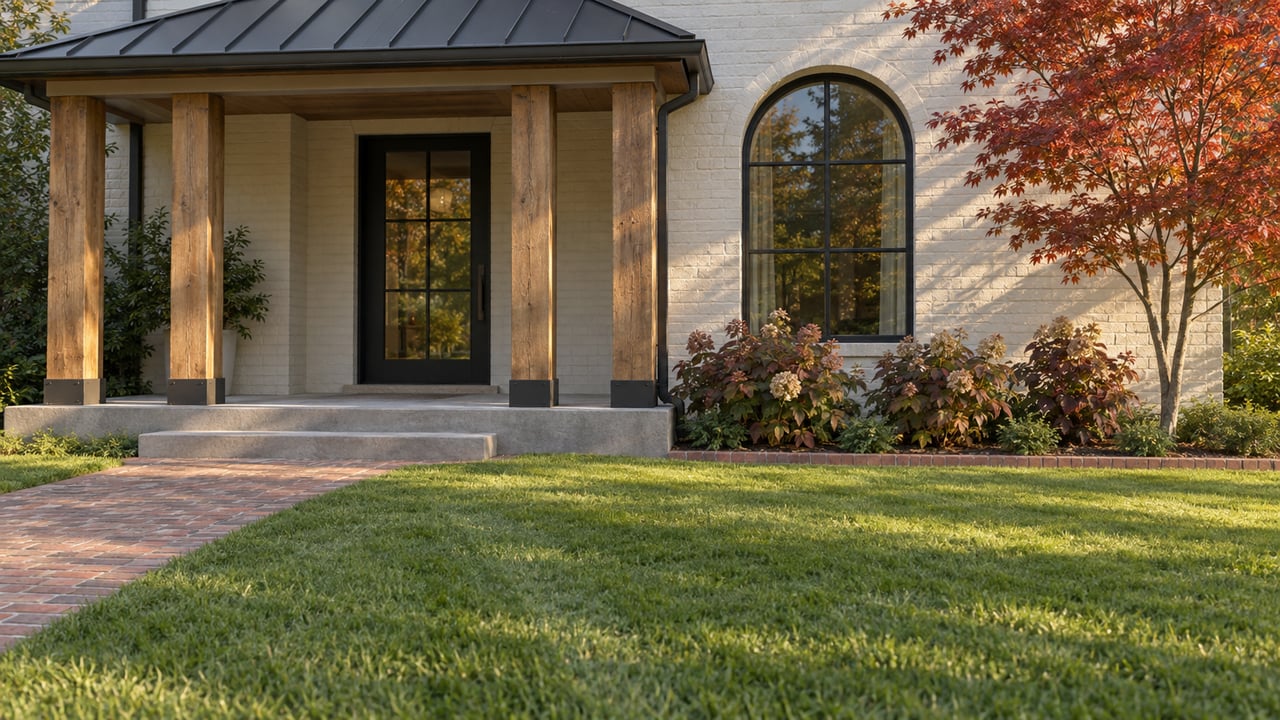
- Inspecting mortar joints
- Repointing masonry when needed
- Ensuring proper water runoff
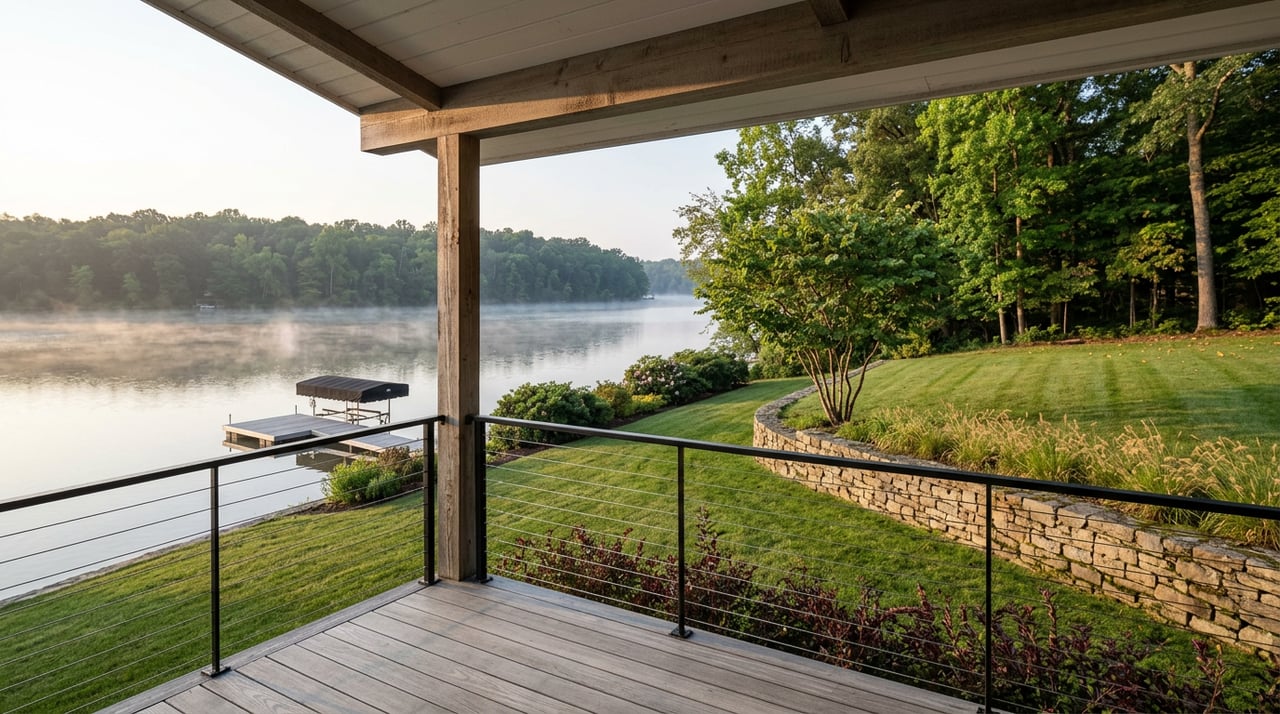
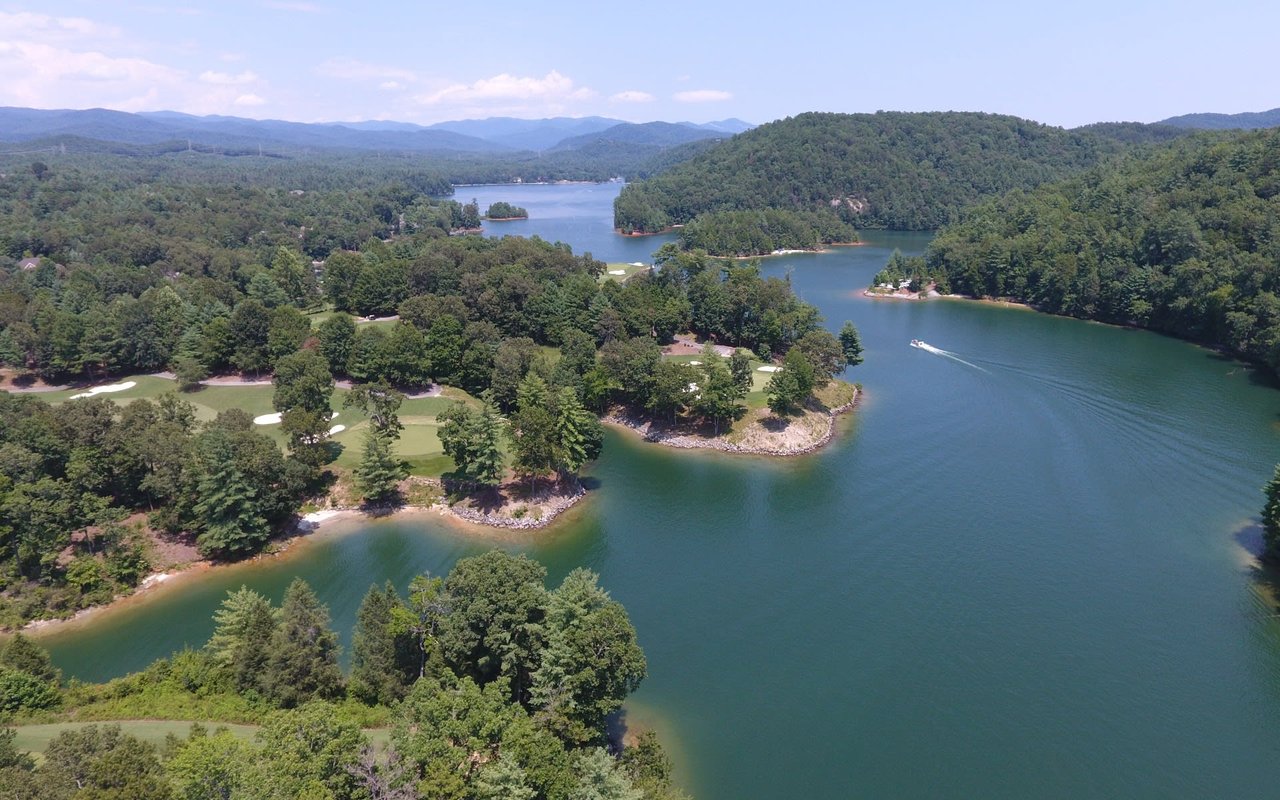
Lake Hartwell-adjacent historic homes may face additional exposure to moisture and shifting soil conditions. Drainage and grading play a crucial role in long-term preservation.
Routine maintenance is significantly more cost-effective than deferred repairs.
Landscaping and Lot Considerations
Many historic homes in Clemson sit on mature, tree-lined lots. While these landscapes add beauty and shade, they also require maintenance awareness.
Large trees should be regularly inspected to prevent root intrusion into foundations or sewer lines. Proper grading ensures water flows away from the home.
Well-maintained landscaping enhances both property value and structural protection.
Insurance and Appraisal Considerations
Historic homes sometimes require specialized insurance coverage. Replacement cost may exceed market value due to the expense of restoring original materials.
Additionally, appraisals for historic homes can differ from newer properties. Comparable sales may be limited, particularly in small, established Clemson neighborhoods.
Working with a real estate professional familiar with Clemson’s housing inventory ensures proper valuation and positioning when buying or selling.
Renovating a Historic Home in Clemson
Renovations can significantly increase both enjoyment and long-term value—but they must be approached thoughtfully.
I often advise clients to:
- Preserve street-facing architectural elements
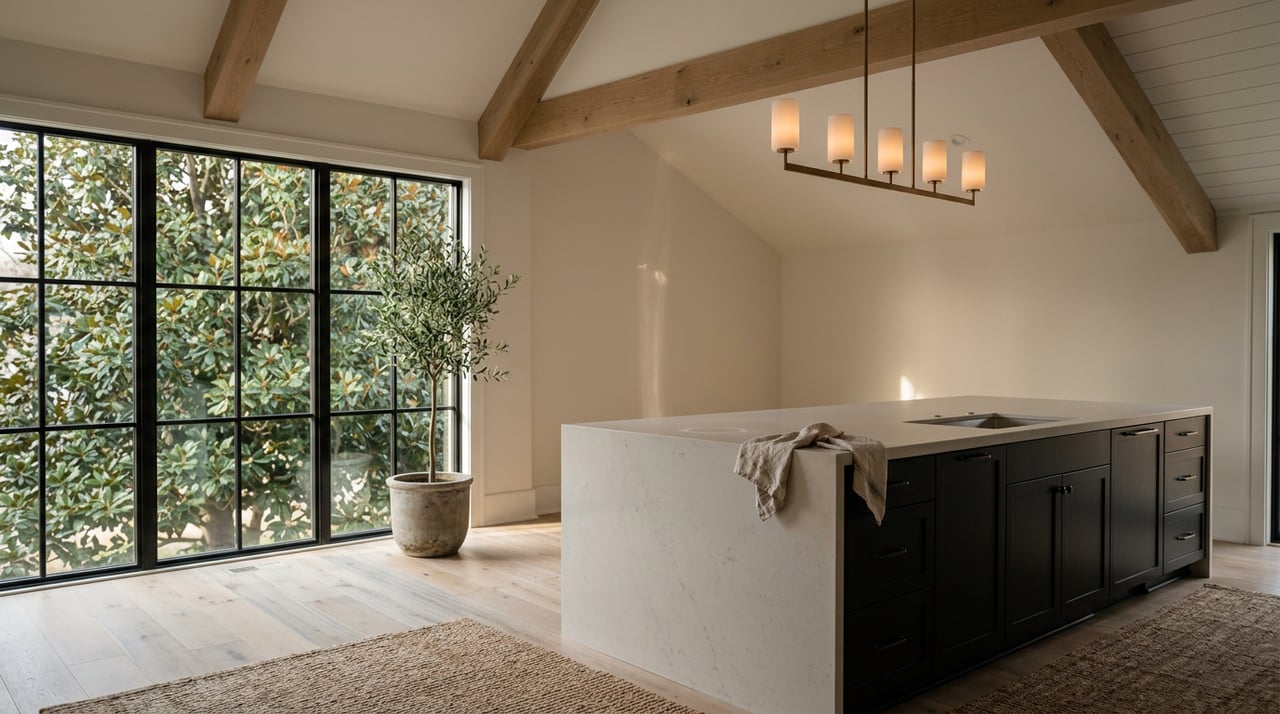
- Modernize kitchens and bathrooms without stripping character
- Retain original flooring and millwork when possible
- Use period-appropriate materials
Buyers drawn to historic Clemson homes typically appreciate authenticity. Over-renovation can unintentionally erase the property’s defining appeal.
Strategic upgrades that respect the home’s heritage often yield the strongest resale outcomes.
The Investment Perspective
From an investment standpoint, well-maintained historic homes in Clemson can perform exceptionally well. Their limited supply and architectural uniqueness create differentiation in the market.
Properties near Clemson University or within walking distance to Downtown Clemson often command premium attention. Buyers relocating for university positions frequently seek established neighborhoods with architectural charm.
Historic homes that blend preserved character with modern functionality often experience stable demand and strong appreciation potential.
However, deferred maintenance can quickly erode value. Ownership requires both financial readiness and long-term commitment.
Frequently Asked Questions About Maintaining Historic Homes in Clemson, SC
Are historic homes more expensive to maintain?
They can be, particularly if specialized materials or craftsmanship are required. However, proactive maintenance often prevents major expenses.
Can I replace original windows in a historic home?
In some cases, yes—but restoration is often preferable for maintaining value and character. If the home is in a designated district, approval may be required.
Do historic homes hold their value in Clemson?
Well-maintained historic homes in desirable Clemson neighborhoods often perform strongly due to limited inventory and architectural appeal.
Is financing different for historic properties?
Generally, financing is similar to other homes, but condition and appraisal factors can influence loan terms.
Should I renovate before selling a historic home?
It depends on condition and market positioning. Strategic updates can improve value, but preserving original features is often more important than full modernization.
Work with Daniel Sanders for Expert Guidance on Clemson’s Historic Homes
Owning or investing in a historic
home in Clemson, SC is both a privilege and a responsibility. These properties reflect the character of our community and offer timeless appeal that modern construction cannot replicate.
If you are considering buying, selling, or restoring a historic property in Clemson, I would be honored to guide you through the process with insight and precision.
Learn more about how I can help you navigate the Clemson real estate market with confidence.
Preserve the past. Protect your investment. Position your future wisely.