By Daniel Sanders & Co.
If you’re buying or selling a
Clemson home, the appraisal can feel like one of the most stressful checkpoints in the entire transaction. We get it—everything can be moving smoothly, and then one number has the power to influence your financing, negotiations, and timeline. The good news is that when you understand how home appraisals work and what appraisers look for, you can prepare more effectively and avoid surprises. Below, we’re breaking down what matters most in Clemson, what can impact value, and how to stay in control of the process.
Key Takeaways
- Appraisals protect lenders by confirming that the value supports the loan amount
- Condition, upgrades, and comparable sales influence appraisal outcomes
- Low appraisals can be managed with strategy, not panic
- Preparation helps buyers and sellers reduce appraisal risk
What A Home Appraisal Actually Does In A Purchase
A home appraisal is an independent opinion of value, usually required by the buyer’s lender. The purpose is to confirm the home is worth the amount being financed. If the appraisal supports the purchase price, the loan process typically moves forward without interruption.
In Clemson, appraisals can be especially important when inventory is limited or when buyers are competing for homes near popular areas like Downtown Clemson or along Lake Hartwell access routes.
Why Lenders Require Appraisals
- Confirms the home supports the loan amount
- Helps prevent over-lending on a property
- Provides a standardized valuation process
- Creates a checkpoint before final loan approval
- Reduces financial risk for the lender
Even in strong markets, the appraisal remains a required step for most financed purchases.
What Clemson Appraisers Typically Evaluate
Appraisers look at both the home itself and the broader market context. They evaluate condition, size, layout, and features, then compare the home to similar sales to determine value.
The biggest driver is usually comparable sales, but property condition and upgrade quality also matter.
Factors That Influence Appraisal Value
- Square footage and layout functionality
- Number of bedrooms and bathrooms
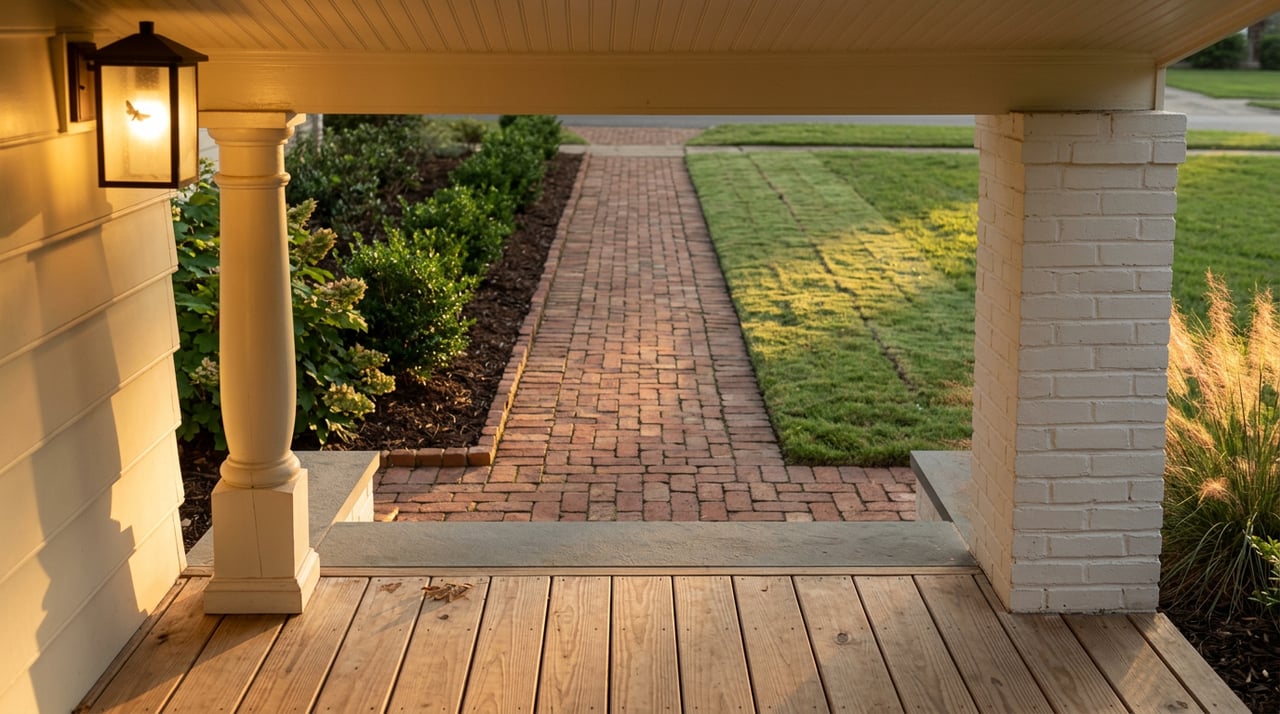
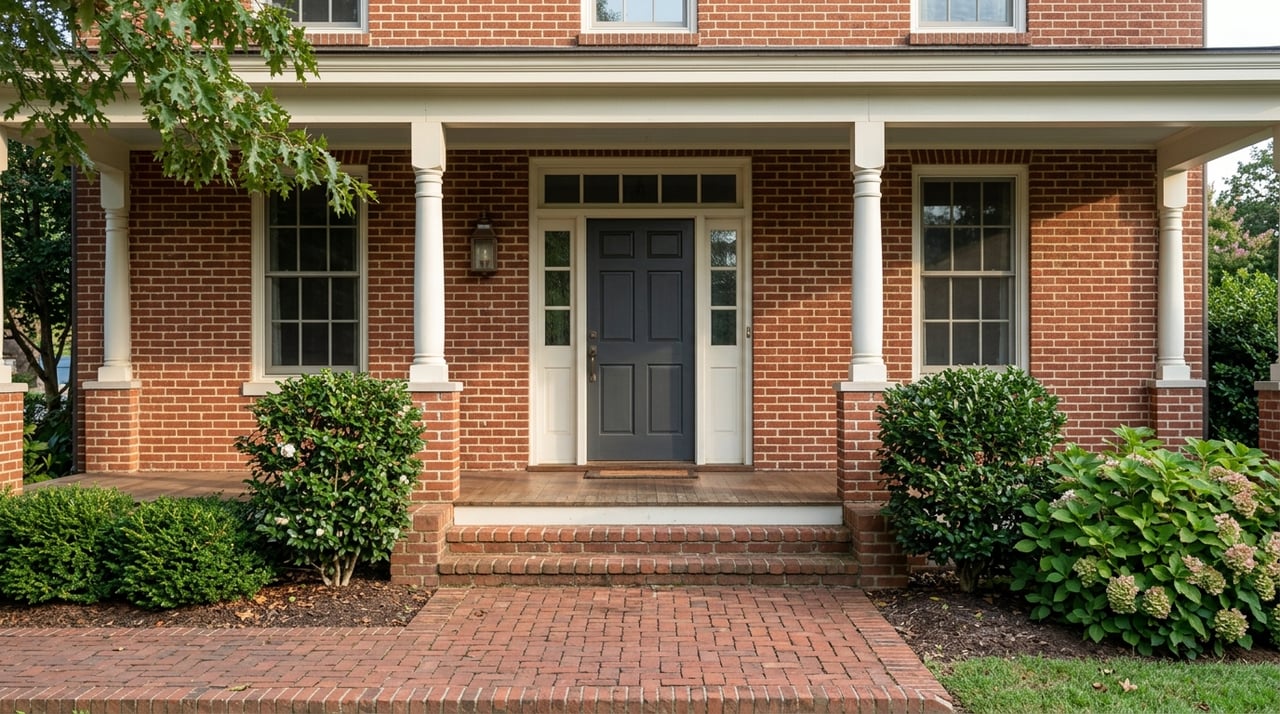
- Lot features and overall curb appeal
- Renovation quality and consistency
- Comparable sales in the surrounding area
A home with thoughtful upgrades and strong maintenance often supports a stronger appraisal result than a home with the same size but mixed conditions.
How Comparable Sales Shape The Appraisal Result
Comparable sales, often called “comps,” are recently sold homes that are similar in size, style, and location. These are used to create an objective value range.
In Clemson, comps can vary based on neighborhood pockets, proximity to Clemson University, and whether a home offers features like outdoor space or updated interiors.
What Makes A Sale A Strong Comparable
- Similar square footage and bedroom count
- Close geographic proximity to the subject property
- Similar lot size and general home style
- Recent sale timing that reflects current market conditions
- Comparable upgrades and overall condition
If recent comps are limited, the appraisal may feel more conservative, which is why pricing strategy matters so much.
Why Condition And Updates Matter In Appraisals
While comps carry the most weight, appraisers still account for a home’s condition and upgrades. A home that shows move-in ready often supports stronger perceived value.
However, not every renovation adds equal value. Updates that improve functionality and buyer appeal tend to carry more weight than highly personalized design choices.
Updates That Often Support Value
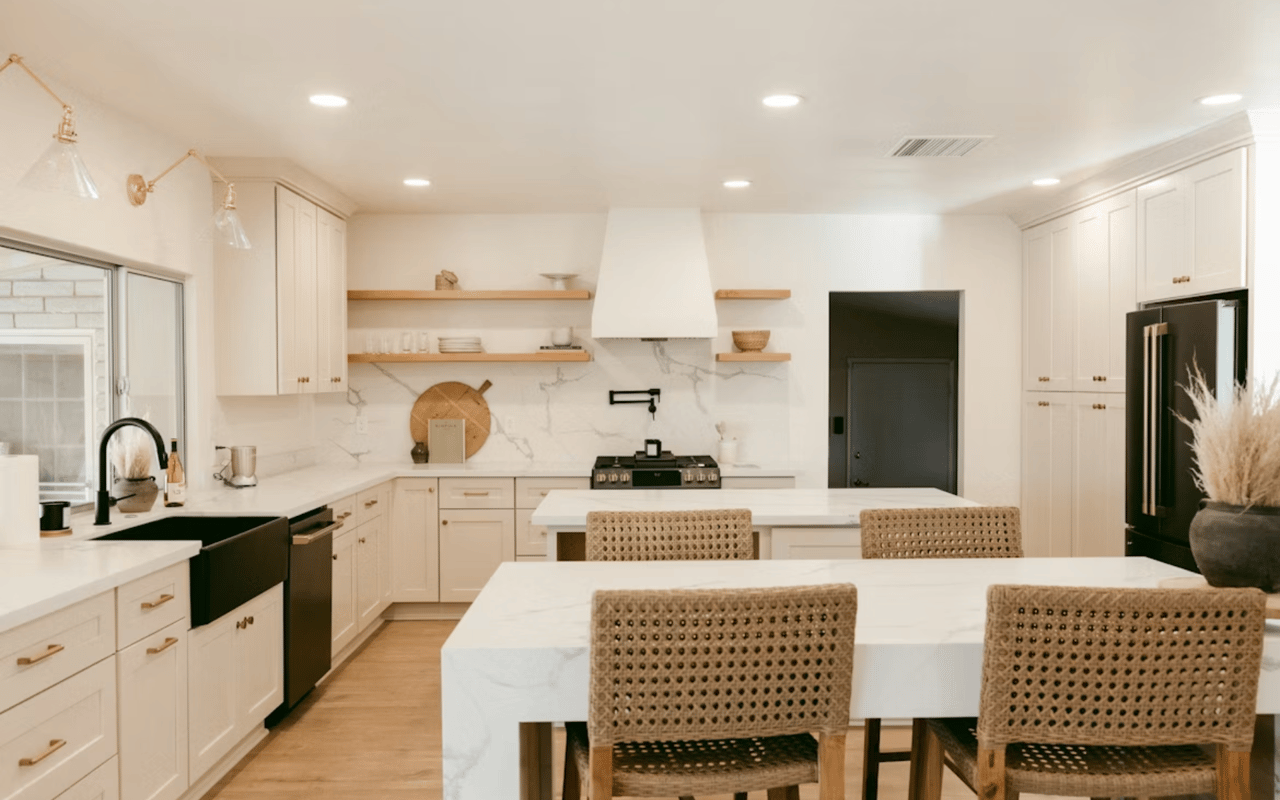
- Modern kitchens with updated appliances and finishes
- Updated bathrooms with clean, cohesive materials
- Consistent flooring and fresh interior paint
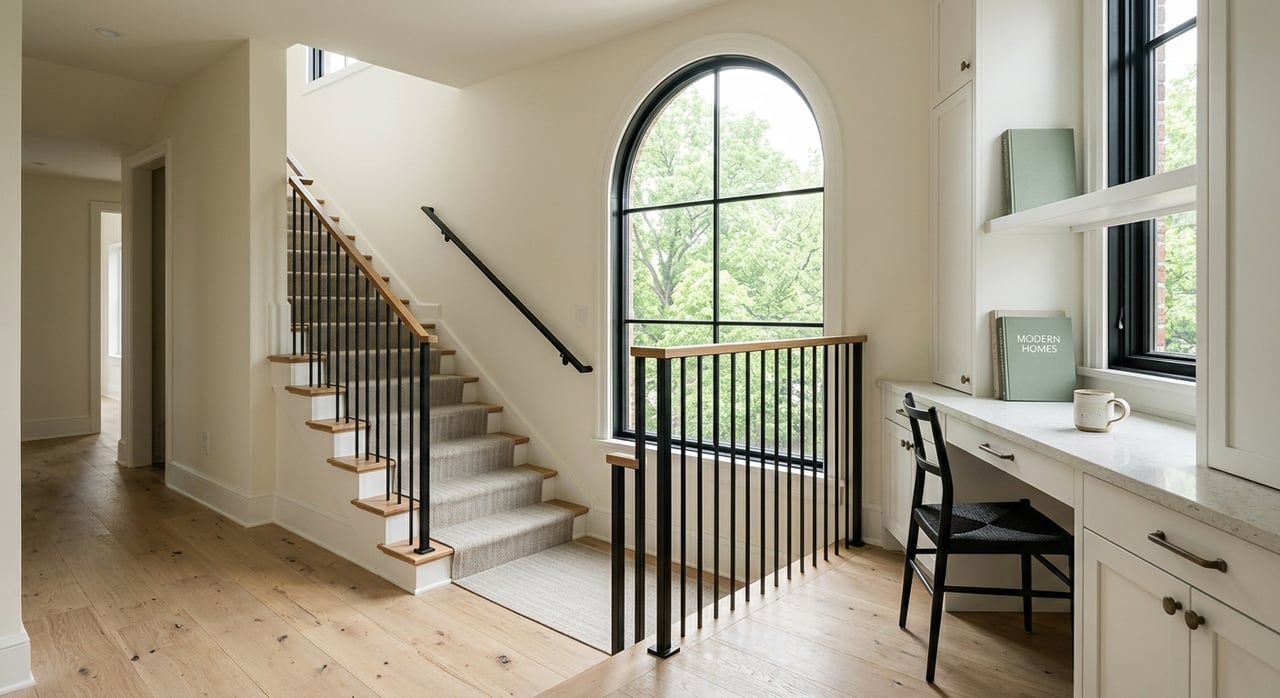
- Functional layouts and improved flow
- Major system updates like HVAC or roofing improvements
If you’re selling, preparation can strengthen your position by showing the appraiser the home is well-maintained and thoughtfully improved.
What Happens If The Appraisal Comes In Low
A low appraisal means the home appraises for less than the agreed purchase price. When that happens, the lender may limit the loan amount to match the appraised value. This can put pressure on negotiations, but it doesn’t automatically mean the deal falls apart.
There are several ways buyers and sellers can respond depending on flexibility and motivation.
Common Solutions For A Low Appraisal
- The buyer brings additional funds to cover the gap
- The seller adjusts the price to match the appraised value
- Both sides meet in the middle through negotiation
- A reconsideration of value is requested with supporting comps
- The buyer renegotiates terms or shifts strategy
The right approach depends on the market segment, the property’s demand level, and how committed both sides are to closing.
How Sellers Can Prepare For The Appraisal
Sellers don’t control the appraisal number, but they can absolutely influence the process by preparing the home and making the value easy to see. In Clemson, small preparation steps can make the home feel more move-in ready and professionally maintained.
We always recommend that sellers treat the appraisal like a second showing.
Seller Preparation Tips That Help
- Make sure the home is clean and uncluttered
- Handle small repairs like loose hardware or minor touch-ups
- Provide a clear upgrade list with dates and improvements
- Make sure the lighting is bright and consistent
- Keep access simple for the appraiser to view all areas
The goal is to reduce doubt and support the home’s strongest value narrative.
FAQs
Are Home Appraisals The Same As Home Inspections?
No. Appraisals focus on value, while inspections focus on condition and potential issues. Both are important, but they serve different purposes.
Can A Buyer Challenge A Low Appraisal?
Yes, in some cases. Buyers can request a reconsideration of value if there are strong comparable sales or overlooked property features that support a higher number.
Do Home Appraisals Impact Refinancing Too?
Yes. Refinancing typically requires an appraisal as well, because lenders still need to confirm the property value supports the new loan amount.
Contact Daniel Sanders & Co. Today
If you’re buying or
selling in Clemson, we’ll help you navigate the appraisal process with a clear strategy and realistic expectations. Appraisals can feel intimidating, but when you understand what drives value and how to prepare, you can move through the process with much more confidence.
Contact
Daniel Sanders & Co. today, and we’ll help you plan your transaction around home appraisals, protect your timeline, and move forward with a smart approach that supports a successful closing. Browse
Clemson, SC homes for sale today!