When buyers begin searching for a home, square footage often becomes a primary benchmark. While size matters, it rarely tells the full story. A well-informed purchase requires a broader evaluation of how a home functions, where it is located, and how it will serve your needs over time. For buyers navigating
Clemson, SC real estate, understanding what to look for beyond basic measurements can lead to better long-term satisfaction and value.
This checklist outlines practical factors to consider during your home search. It is designed to help buyers focus on usability, condition, and context—elements that often matter more than raw size.
Location and Daily Convenience
Location influences nearly every aspect of daily life. Beyond proximity to work or campus, buyers should evaluate how a neighborhood supports their routines.
Consider commute patterns, traffic flow, and access to major roads. In Clemson, this may include evaluating travel times during peak university events or football weekends. Also, review proximity to grocery stores, healthcare facilities, parks, and dining options. A slightly smaller home in a more convenient location can be more functional than a larger one that requires long drives for basic needs.
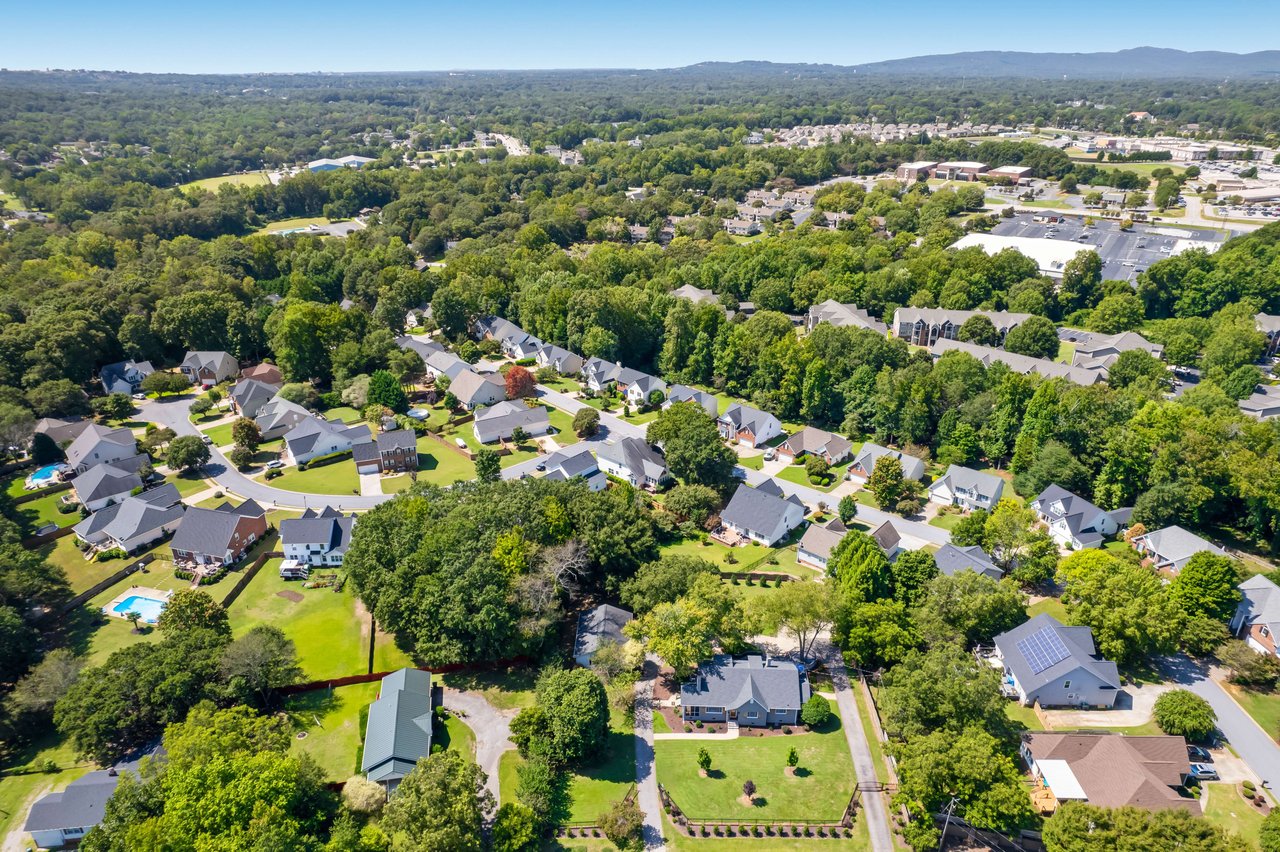
Neighborhood layout also matters. Sidewalks, street lighting, and general upkeep can affect walkability and comfort. These details often shape daily experience more than interior square footage.
Lot Size, Orientation, and Outdoor Space
Outdoor areas extend a home’s usable space. Instead of focusing only on interior size, assess how the lot is laid out and how it can be used.
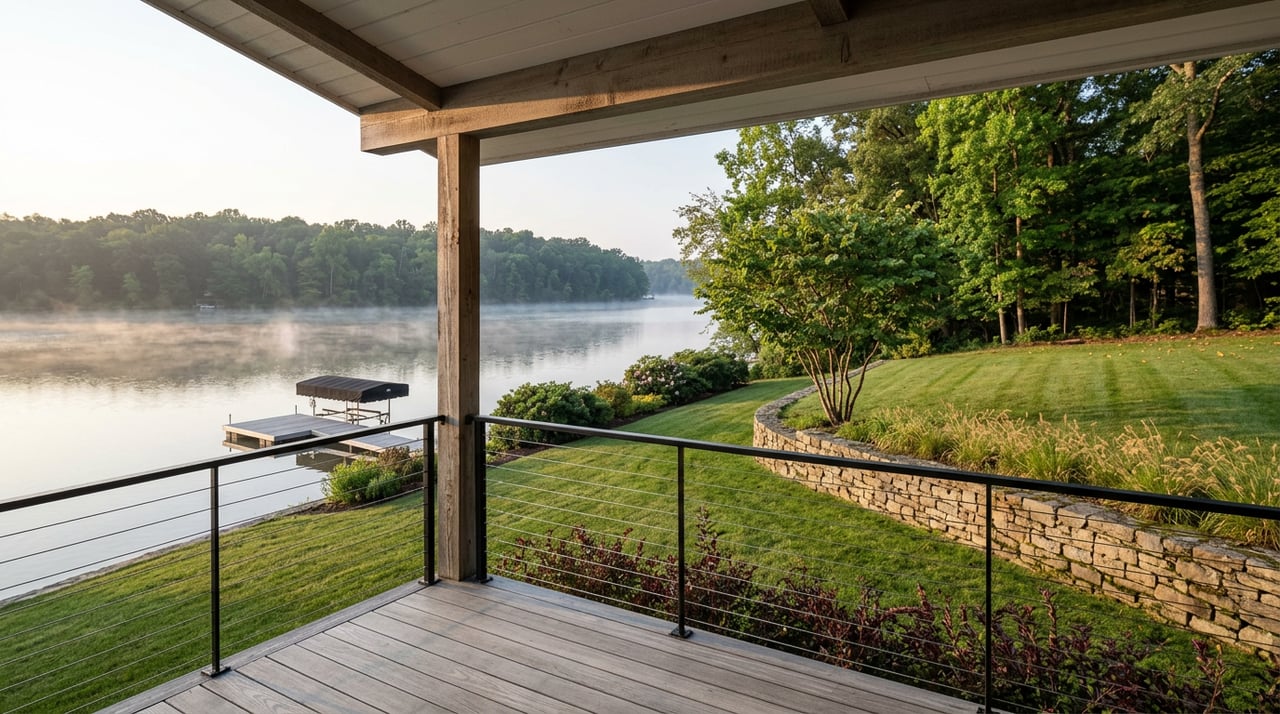
Look at yard size, privacy, and grading. A smaller but level yard may be more practical than a larger sloped one. Orientation matters as well. Homes with good natural light can feel more open and comfortable throughout the day. In lake-adjacent or rural areas near Clemson, evaluate water access, views, and any restrictions tied to the land.
Also consider maintenance requirements. Larger lots may require more time and expense to maintain, which should align with your lifestyle.
Floor Plan and Functional Layout
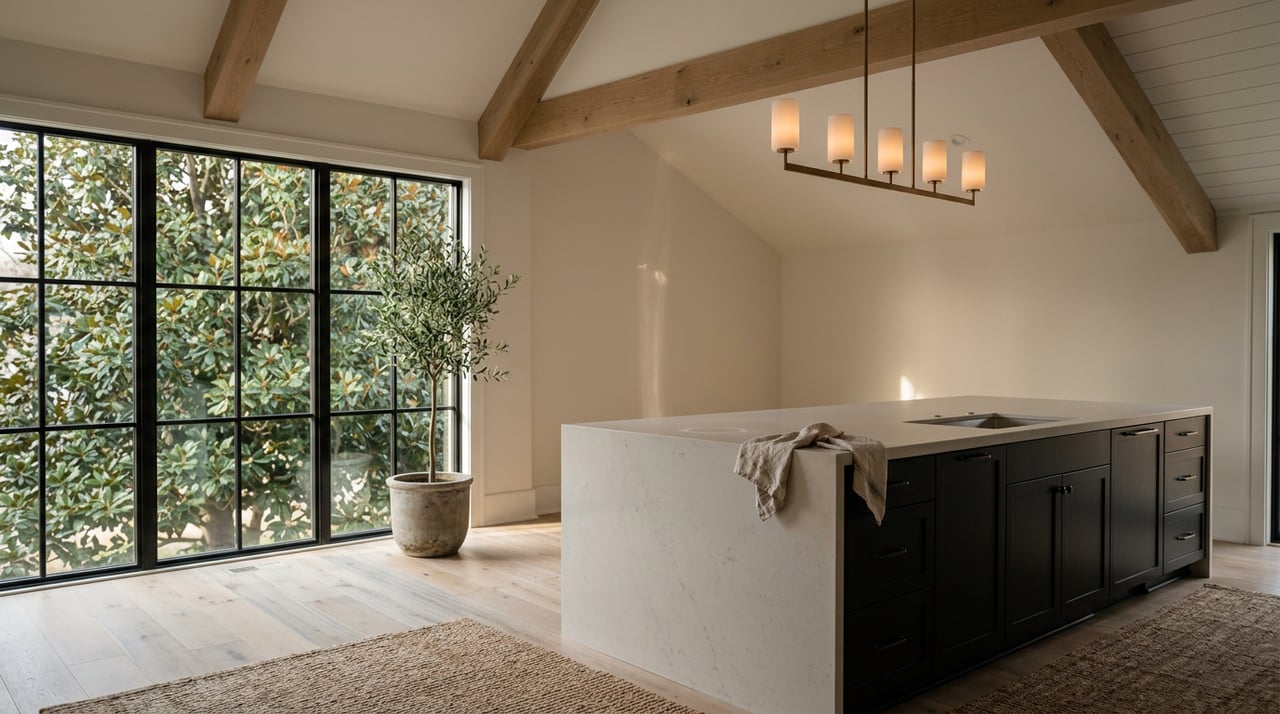
A well-designed layout can make a modest-sized home feel efficient and livable. When touring homes, focus on how rooms connect and whether the space fits your needs.
Evaluate bedroom placement, bathroom access, and common areas. For example, an open living and kitchen area may work well for entertaining, while separated rooms may better suit those who work from home. Storage is another critical factor. Closets, pantries, and garage space contribute to functionality but are often overlooked when buyers focus only on square footage. Ask yourself how the home will function on a daily basis, not just how it looks during a showing.
Construction Quality and Condition
The condition of a home can have a significant impact on long-term costs. Buyers should look closely at materials, finishes, and overall upkeep.
Pay attention to windows, doors, flooring, and cabinetry. These elements provide insight into how well the home has been maintained. Outside, review the roof, siding, and drainage. Inside, look for signs of water damage, uneven floors, or outdated systems.
Even newer homes benefit from careful evaluation. Quality of construction varies, and cosmetic finishes do not always reflect what lies beneath. A professional home inspection is essential, but buyers can learn a lot during initial walkthroughs by observing details closely.
Systems and Energy Efficiency
Major systems play a critical role in comfort and operating costs. Heating, cooling, plumbing, and electrical systems should be reviewed carefully.
Ask about the age of the HVAC system, water heater, and roof. Older systems may still function well, but could require replacement sooner. Energy-efficient features, such as updated insulation, modern windows, or efficient appliances, can reduce monthly expenses and improve comfort.
In what to look for in a new home, buyers often overlook utility efficiency, yet it directly affects affordability over time.
Storage and Flexibility
Storage needs vary, but most buyers benefit from having more than they initially expect. Look beyond closets to garages, basements, and attic space.
Flexibility is also important. Rooms that can adapt to changing needs—such as a guest room that doubles as an office—add value. In a college town like Clemson, flexible spaces may support rental opportunities, visiting family, or future lifestyle changes.
A home that can evolve with you often proves more practical than one designed for a single purpose.
Noise, Privacy, and Surroundings
During showings, take time to assess noise levels and privacy. These factors are not always obvious during short visits.
Listen for road noise, nearby commercial activity, or campus-related sounds. Visit the neighborhood at different times of day if possible. Privacy also matters, especially in denser areas. Window placement, fencing, and landscaping can all affect how private a home feels.
These considerations are difficult to change later, making them important parts of the decision-making process.
Community Rules and Future Development
If the property is part of a homeowners association, review the rules and fees carefully. Understand what is included, what restrictions exist, and how the association is managed.
Additionally, research potential future development nearby. Planned construction can affect traffic, views, and property values. Local zoning offices and planning departments can provide insight into what may change in the area. Being informed helps buyers avoid surprises after closing.
Resale Value and Long-Term Perspective
Even if you plan to stay long term, it is wise to consider resale potential. Location, layout, and condition all influence how a home performs in the market.
Homes with practical layouts, reasonable maintenance needs, and desirable locations tend to hold value better. In Clemson, SC, real estate, proximity to the university, lakes, and established neighborhoods often play a role in long-term demand.
Thinking ahead does not mean compromising on current needs; it means balancing them with future considerations.
Working With Local Expertise
A thorough checklist is valuable, but local insight adds another layer of confidence. Market conditions, neighborhood nuances, and property trends vary by area. Working with professionals who know the region well can help buyers interpret what they see and make informed choices.
About Daniel Sanders & Co.
Daniel Sanders & Co. is led by a team with deep roots in the Clemson area. Having grown up locally, the firm brings firsthand knowledge of Tigertown and the surrounding lakes and mountain communities. That background allows the team to share an authentic understanding of the region with each client. Whether buyers are considering lakefront homes, game day properties, investment opportunities, or housing for a student, the team offers guidance grounded in local experience and familiarity with the land.
Ready to explore
real estate in Clemson, SC? Contact
Daniel Sanders & Co. today to begin the search for your dream home.