What Pendleton's Design Review Board Actually Controls Before You Touch A Historic Home
August 20, 2026
August 20, 2026
Say you just closed on a two-story I-house three blocks off the village green. The floors need refinishing, the kitchen is stuck in 1994, and you've already picked out a paint color for the front porch rail. You assume the paint is the easy part. You call a contractor, get a quote, and start planning a fall timeline.
Then someone mentions the Design Review Board.
Most people who buy in Pendleton's historic core hear about the town's design oversight the same way: vaguely, after the fact, usually from a neighbor rather than a closing document. The assumption that follows is almost always wrong in the same direction. Buyers picture a board that slows down anything cosmetic and drives up the price of anything structural. The actual mechanism runs differently, and the difference matters more for your timeline than your budget.
Here is the piece that catches people off guard. In a local historic district, board or staff approval has to happen before you apply for a building permit, not alongside it or after. That sequencing is standard practice for local historic districts across South Carolina, and Pendleton's own Design Review Board exists to review design and development standards within the town's overlay districts before a project moves forward.
That single ordering fact changes how you should plan a renovation from day one. A contractor quote and a building permit application, the two things most buyers treat as the start of a project, actually come second. The design review comes first, and if your plans need a real hearing rather than a quick staff sign-off, that first step can eat weeks you hadn't budgeted for.
This is not a story about a board that says no. It is a story about a board that has to say yes before anyone else can start.
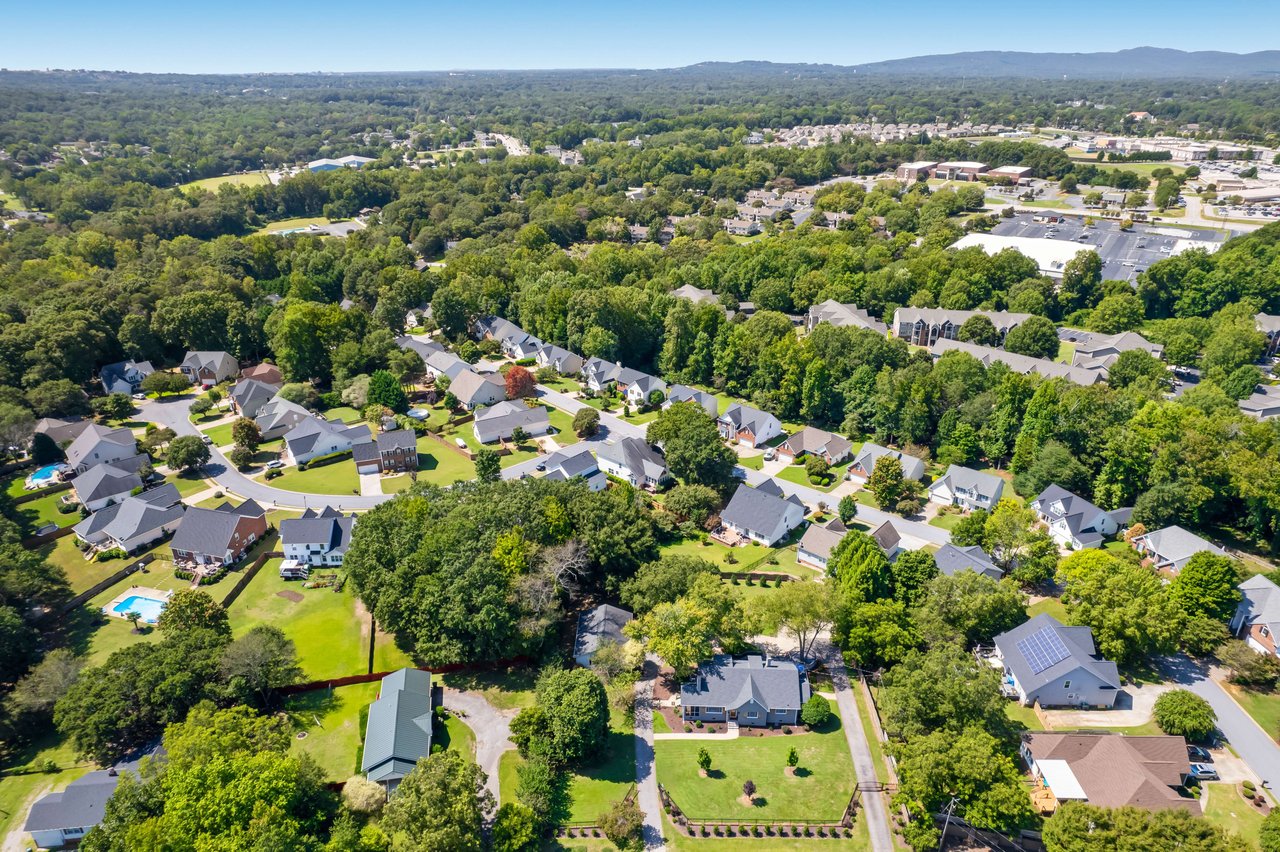
Part of why this matters in Pendleton specifically, more than it might in a newer town, is how much of the place sits inside the overlay. The Pendleton Historic District is on the National Register, and its footprint is not a token block or two. The town was laid out in 1790 and its street plan is basically unchanged since. The village green remains the focal point, the way it was designed to be, and more than 50 buildings of 18th and 19th century significance still stand, most of them inside the current town limits. The district includes more than a dozen historic sites, and the properties inside it run the full range from commercial to religious to residential.
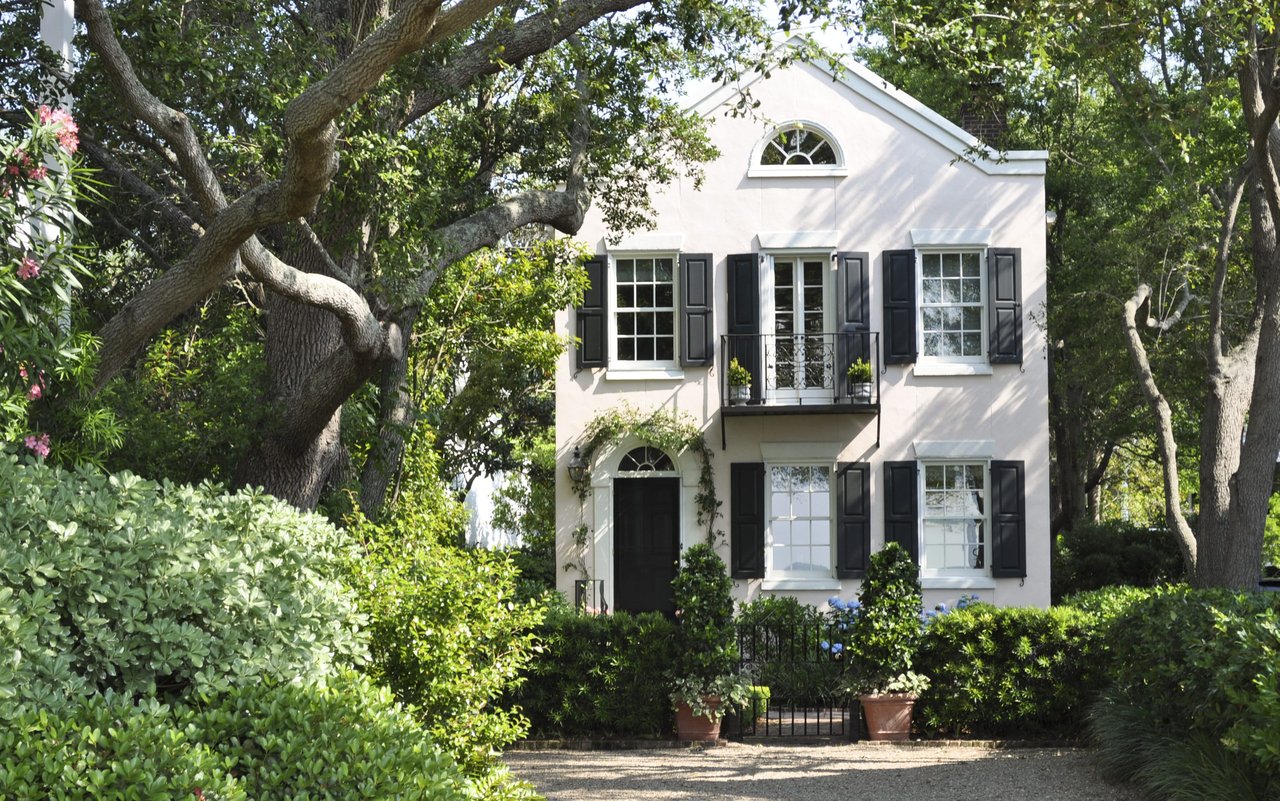
The architecture reflects that layered history. Early settlers from Pennsylvania, Maryland, Virginia, and North Carolina built here first, and a later wave of summering Charlestonians added their own imprint. What's left spans Greek Revival and Gothic Revival, I-houses to bungalows. If you're shopping for a home with genuine age and character in Pendleton, there's a real chance you're shopping inside the overlay whether you've registered that fact yet or not.
That's the part worth sitting with. This isn't a narrow historic pocket that only affects a handful of showcase properties. It's close to the center of what makes Pendleton's housing stock distinct in the first place.
The flip side of that first fact is one that tends to get lost. Local historic district review in South Carolina covers exterior work, not interior renovations. You can gut a kitchen, rewire a house, replace ductwork, and refinish every floor without triggering design review, because none of that touches what's visible from the street.
What does trigger review is anything that changes the exterior: new construction, demolition, additions, and alterations to the parts of the house the public sees. Even then, plenty of towns with these boards allow smaller projects to be signed off at the staff level rather than requiring a full hearing, which means the timeline hit depends heavily on the size and visibility of what you're proposing.
The practical takeaway is that you should ask two separate questions before you plan any project on a Pendleton historic property: is this exterior, and if it is, does it look like the kind of change that needs the full board versus a staff review. Getting an early answer from the town on which category your project falls into is the single move that protects your timeline the most.
The other place buyer instinct tends to be wrong is cost. The common assumption is that historic district compliance adds expense on top of an already older, higher-maintenance house. The evidence on this doesn't support that as a blanket rule.
Repairing historic windows is frequently cheaper than replacing them outright, once you account for the labor and materials involved in tearing out and reinstalling versus restoring what's already there. A wood-sided house can be repainted several times over for what artificial siding costs to install once. And on a larger scale, studies of preservation work have found that major preservation projects typically run about 4% less than comparable new construction, a gap that widens further once you factor in the demolition costs new construction usually carries and preservation work doesn't.
None of that means every historic renovation is a bargain. It means the "historic district equals expensive" assumption isn't automatic, and the buyers who save money tend to be the ones who plan around keeping original material rather than replacing it, because the district's own guidelines are usually built around that same preference.
It helps to see how a similar board runs elsewhere in the Upstate, if only to understand what "typical" looks like. In Anderson, the city's own Board of Architectural Review requires prior approval for any exterior change to a property inside its historic districts, and applicants have to submit their materials a full three weeks ahead of the board's scheduled meeting date. Approval there results in a Certificate of Appropriateness before the project can move forward.
That three-week submission window is Anderson's rule, not necessarily Pendleton's, and every town sets its own calendar and process. But it illustrates the general shape of how these boards work across the region: a defined submission deadline, a scheduled meeting rather than an on-demand review, and a formal approval document that has to exist before a building permit gets issued. If you're planning renovation work on a Pendleton property, asking the town directly what its own meeting schedule and submission deadlines look like should happen before you set a contractor's start date, not after.
A short list worth working through, whether you're still shopping or already under contract:
Does the Design Review Board have any say over interior work? No. Local historic district review in South Carolina is built around exterior changes and new construction or demolition. Interior renovations generally fall outside its jurisdiction.
If I want to repaint my house the same color it already is, do I still need approval? This depends on how the specific district treats routine maintenance versus a design change, and it's exactly the kind of question worth asking town staff directly before you assume either way.
What happens if I do exterior work without going through the process? Skipping design review before starting exterior work is the situation every guideline document is written to prevent, since approval is meant to come before a building permit is issued, not after work has already started.
Buying inside a district this old is part of what makes Pendleton worth choosing in the first place. The village green, the tree-lined streets, the range of architecture from Greek Revival to bungalow, all of it exists because of decisions made generations ago that the town still protects today. Understanding how that protection actually works, rather than guessing at it, is what keeps a renovation on schedule instead of stalled at a hearing you didn't know you needed.
If you're shopping for a historic property in Pendleton, or you already own one and are trying to plan a project the right way, Danny Sanders can walk you through what a specific address actually requires before you make an offer or pick up a paintbrush. Search Homes to see what's available in Pendleton's historic core right now.
Stay up to date on the latest real estate trends.

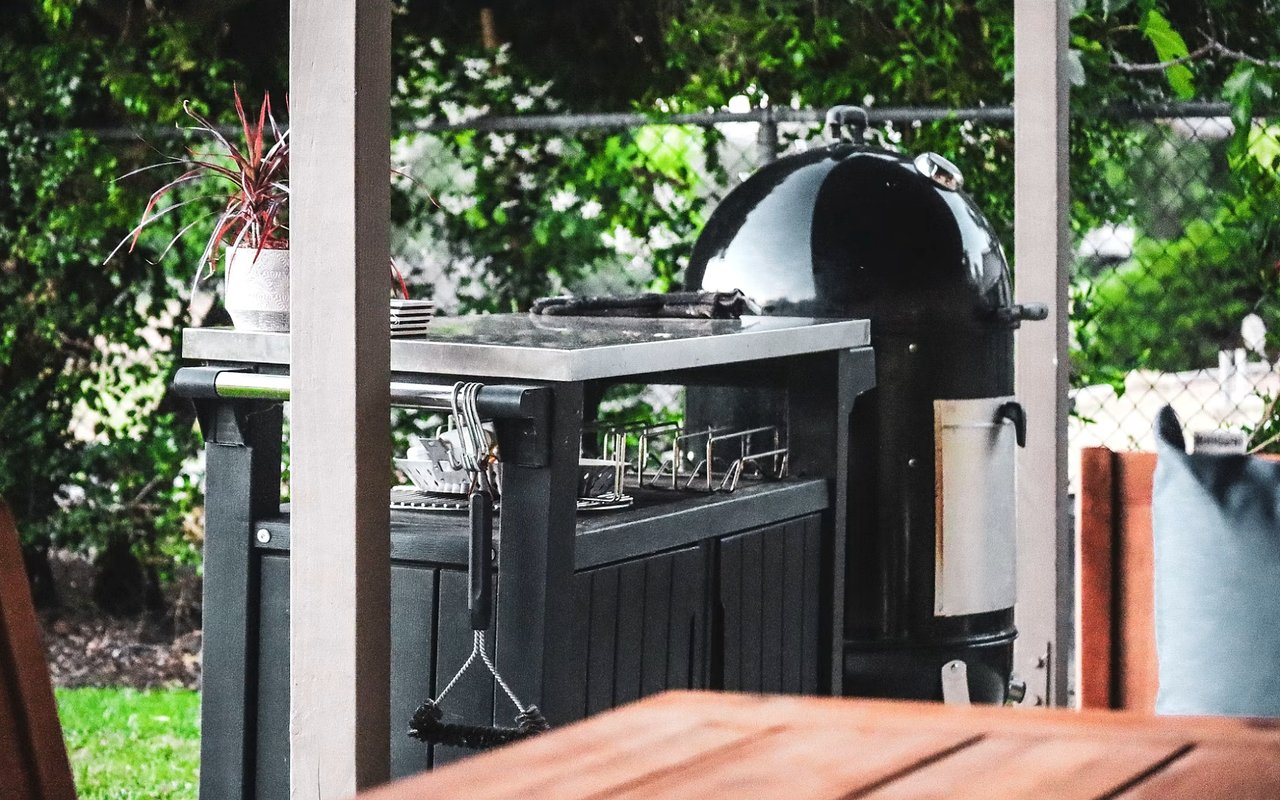
Where Lakeside Living Meets the Perfect Backyard Cookout.

Curb Appeal Rooted in Upstate South Carolina.

Here at Daniel Sanders & Co., Keller Williams Clemson we understand how important buying or selling a home is. It is not just a transaction, but a life changing event. That is why we strive to provide the most professional and personal touch to every transaction we handle.